
Defining Prop Tech and Its Application in Trading
The term "prop tech" refers to technological innovations that revolutionize how property-related services are delivered, managed, and transacted. While traditionally associated with real estate, its principles extend into the trading industry, particularly in its capacity to enhance trading platforms, optimize operations, and increase efficiency. Prop tech in trading primarily involves the integration of advanced software, data analytics, automation tools, and user-centric interfaces to facilitate more effective trading experiences.
Within trading environments, especially in forex markets, prop tech enables firms to leverage cutting-edge technologies such as artificial intelligence, machine learning, and data-driven algorithms to refine trading strategies and execution. These technological solutions are embedded directly into trading platforms, providing traders and firms with real-time analytics, predictive insights, and automated decision-making capabilities. Such innovations help reduce human error, improve execution speed, and adapt quickly to market fluctuations.

In the context of white label solutions, prop tech becomes an essential component that allows firms to customize and deploy sophisticated trading platforms without developing the technology from scratch. White label platforms incorporate advanced algorithms and user interfaces that meet the latest industry standards, thereby empowering firms to provide clients with top-tier trading experiences under their own brand identity. This symbiosis between prop tech and white label offerings ensures that trading firms can stay competitive by adopting innovations that streamline operations, enhance user engagement, and facilitate data-driven decision making.
Furthermore, in the realm of proprietary trading—often facilitated through prop trading firms—the use of prop tech dramatically enhances capability. These firms employ proprietary software to test strategies, analyze markets, and execute trades at high speeds. By integrating such technology, prop trading firms can scale their operations, manage risk more effectively, and explore new markets with improved precision. These technological advancements also support regulatory compliance and reporting, which are critical in maintaining operational integrity and building client trust.
Overall, the integration of prop tech into the trading industry marks a significant evolution, aligning trading strategies with the capabilities of modern digital technology. It facilitates smarter trading, better risk management, and more personalized client experiences, setting a foundation for sustained growth and innovation within this competitive sector.
Role of Prop Tech in White Label Trading Solutions
Prop technology significantly enhances the functionality and efficiency of white label trading platforms. By embedding advanced algorithms, data analytics, and automation capabilities, prop tech transforms standard platforms into sophisticated tools that cater to the dynamic needs of modern traders. These technological improvements enable trading firms to offer features such as real-time market analysis, automated order execution, and comprehensive risk management modules. Consequently, clients experience more seamless, responsive, and personalized trading environments, which can improve satisfaction and retention rates.
Implementing prop tech within white label solutions also streamlines operational workflows. Automated reporting, compliance checks, and customer management processes reduce manual interventions, minimize errors, and accelerate service delivery. This level of efficiency allows firms to focus more on strategic growth initiatives rather than day-to-day operational challenges. Additionally, prop tech facilitates the integration of multiple asset classes, expanding trading options from forex to stocks, commodities, and derivatives, thereby broadening the platform’s appeal to a diverse client base.

Another critical aspect is the enhancement of data security and regulatory compliance through prop tech. Encryption protocols, user authentication, and audit trails ensure that client information remains protected while adhering to evolving industry standards. Real-time monitoring and reporting features support traders and firms in maintaining transparency and operational integrity, reinforcing trust with clients and regulatory bodies alike.
From a strategic perspective, integrating prop tech into white label platforms allows firms to stay agile amidst technological shifts. This adaptability ensures continuous enhancement of features, quick adoption of new trading strategies, and the ability to respond promptly to market changes. As a result, firms leverage the latest innovations without the extensive resources typically required for in-house development, effectively matching the pace of industry advancements.

Overall, the role of prop tech in white label trading solutions underscores the importance of technological agility and innovation. It enables firms to provide cutting-edge tools, optimize operational workflows, and deliver superior customer experiences, all while maintaining the flexibility to adapt to future industry evolutions.
Advanced Features and Customization Capabilities
One of the primary advantages of integrating prop tech into white label trading platforms is the ability to customize functionalities to meet specific trading strategies and client needs. This customization spans from user interface modifications to the incorporation of proprietary algorithms, risk management tools, and analytical dashboards. By leveraging sophisticated software development kits (SDKs) and Application Programming Interfaces (APIs), firms can tailor the platform's performance, creating a seamless experience aligned with their branding and operational goals.

Furthermore, scalability is a critical consideration addressed through prop tech innovations. As trading volumes grow and client bases expand, the platform must adapt effortlessly without compromising speed or security. Cloud-based infrastructure, microservices architecture, and modular design principles enable white label providers to scale up resources dynamically. This flexibility ensures the platform remains robust under increased loads, facilitating continuous trading operations and enhanced user satisfaction.
Enhanced Data Analytics and Decision Support
Prop tech solutions often incorporate advanced data analytics to provide actionable insights to traders and firms. Real-time data processing, predictive analytics, and machine learning algorithms help identify market trends, optimize trading strategies, and manage risk intelligently. These tools empower traders with comprehensive information, improving decision-making efficiency and effectiveness. For firms, these analytics support performance tracking, regulatory reporting, and strategic planning, ensuring operations stay aligned with market demands.
Security and Regulatory Compliance
Modern prop tech integrations emphasize robust security measures to protect sensitive client data and transaction details. The deployment of encryption protocols, multi-factor authentication, and ongoing audit processes reinforce the security infrastructure of white label platforms. Additionally, compliance features ensure adherence to industry standards and regulatory frameworks, which are vital for maintaining operational integrity and client trust. Automated compliance checks and transparent audit trails facilitate smooth oversight and reporting, reducing operational risks.
Innovation and Continuous Improvement
Prop tech enables ongoing innovation within white label trading platforms. Through regular updates, feature enhancements, and integration of emerging technologies like artificial intelligence and blockchain, firms can stay ahead of industry trends. These continuous improvements support the deployment of new trading instruments, enhanced user experiences, and smarter risk management tools. The agility provided by prop tech allows firms to quickly respond to evolving market conditions and client preferences, securing a competitive edge in the trading landscape.
Operational Efficiency and Cost-Effectiveness
By leveraging prop tech, trading firms can streamline operations and reduce overheads associated with system maintenance and development. Cloud infrastructure, automation tools, and scalable architectures decrease the need for extensive in-house IT resources. This operational efficiency translates into faster deployment timelines, lower operational costs, and improved profitability. The ability to adapt rapidly without large capital investments makes prop tech-driven white label solutions particularly attractive for firms aiming to expand their market presence efficiently.
Understanding the Key Methods to Ensure Proper Management of Prop Tech in Trading
Effective management of prop technology in trading involves a combination of strategic planning, adherence to best practices, and ongoing evaluation of technological solutions. These methods are designed to optimize trading operations, enhance client experiences, and safeguard the firm's reputation within a highly dynamic financial environment.
Adoption of Robust Software Solutions
At the core of successful prop tech management is the selection of reliable, well-designed trading platforms and systems. These software solutions should be capable of handling high-frequency transactions, providing accurate market data, and supporting seamless integration with other operational tools. Investment in proven technology ensures that trading activities are conducted efficiently, with minimized risks of system failures or data breaches.
Regular System Updates and Maintenance
Maintaining up-to-date software and infrastructure is critical for optimal performance and security. Routine updates introduce new features, repair known vulnerabilities, and enhance overall system stability. Regular maintenance schedules help identify potential issues before they impact trading operations, reducing downtime and preserving the continuity of service to clients.
Monitoring and Analytics
Continuous tracking of platform performance and user activity is vital for identifying areas for improvement. Advanced analytics tools enable firms to analyze transaction patterns, detect suspicious activities, and evaluate the effectiveness of current processes. Data-driven insights support informed decision-making and facilitate the proactive adjustment of strategies to meet market demands.
Training and Support Programs
Proper staff training ensures that personnel are knowledgeable about the operating features and security protocols of prop tech systems. Well-informed teams can handle technical challenges swiftly and maximize the benefits of the technology investment. Additionally, establishing dedicated support channels guarantees prompt assistance, reducing operational disruptions and maintaining high standards of service.
Implementing Strong Security Measures
Security protocols are paramount when managing trading technology. Encryption practices, multi-factor authentication, and secure access controls help protect sensitive data and prevent unauthorized intrusions. Regular security audits and compliance checks further reinforce the integrity of trading systems, building trust with clients and safeguarding firm assets.
Ongoing Regulatory Compliance
Ensuring adherence to applicable trading and data management standards is vital for maintaining operational legitimacy. This includes implementing automated compliance checks within trading platforms, establishing transparent audit trails, and regularly updating procedures to align with evolving industry requirements. A methodical approach to compliance reduces operational risks and enhances confidence among clients and partners.
Integration of Emerging Technologies
Leveraging the latest innovations, such as artificial intelligence (AI), machine learning, and blockchain, can significantly enhance trading platforms’ capabilities. These technologies facilitate smarter risk assessment, personalized client experiences, and secure transaction processing. When integrated thoughtfully, they help trading firms adapt swiftly to changing market conditions and stay ahead of industry developments.

Conclusion
In managing prop tech in trading, employing disciplined methods including reliable software, regular maintenance, vigilance through analytics, robust security, and compliance ensures sustainable growth and operational excellence. A strategic approach to these practices provides the foundation for resilient trading infrastructure capable of adapting to new opportunities and challenges within the financial markets.
Role of Prop Tech in White Label Trading Solutions
Prop technology, commonly known as Prop Tech, plays a vital role in enhancing the functionality and efficiency of white label trading platforms. These platforms serve as customizable solutions that allow firms to brand and operate their trading services while leveraging advanced technological tools. By integrating Prop Tech, these platforms benefit from automation, sophisticated analytics, and secure transaction processes, establishing a seamless trading environment for clients and operators alike.

Through the adoption of Prop Tech, white label platforms can offer features such as real-time market data, automated order execution, risk management tools, and integrated CRM solutions. These technological enhancements allow firms to streamline their operations, reduce manual errors, and provide a more personalized trading experience. Additionally, Prop Tech facilitates the integration of third-party tools and services, further expanding the platform’s capabilities and ensuring adaptability to changing market demands.
Automation driven by Prop Tech reduces operational overheads and accelerates transaction times, leading to increased client satisfaction and retention. Advanced analytics and reporting features enable traders and platform operators to monitor performance, identify trends, and make informed decisions swiftly. Moreover, security mechanisms embedded within Prop Tech solutions safeguard sensitive data and ensure secure transactions, fostering trust among users.
Technological Innovations Empowering White Label Solutions
- Artificial Intelligence (AI): Enhances trading algorithms, provides predictive insights, and personalizes client interactions.
- Machine Learning: Facilitates adaptive trading models that evolve with market conditions, improving accuracy and efficiency.
- Blockchain Technology: Ensures transaction transparency, security, and streamlined settlement processes.
- Automated Compliance Systems: Aid in adhering to industry standards by establishing transparent audit trails and regulatory reporting protocols.
By leveraging these technological advancements, white label platforms can deliver innovative trading solutions that meet the evolving expectations of traders and firms. The flexibility provided by Prop Tech integration ensures that trading operations remain competitive and responsive, essential attributes in today’s rapidly changing financial landscape.

Operational agility is significantly improved when Prop Tech is embedded into platform infrastructure. It enables faster deployment of new features, seamless updates, and scalability to accommodate growing client bases. As the industry continues to evolve, the importance of technological integration becomes even more critical in maintaining a competitive edge and ensuring client satisfaction through innovative, trustworthy trading environments.
Ensuring Security and Transparency in Prop Tech-Driven Trading Platforms
Implementing robust security measures remains a foundational aspect of maintaining integrity within prop tech-enabled trading environments. Employing advanced encryption methods for data transmission safeguards sensitive client information and transactional data from potential breaches. Multi-factor authentication protocols reinforce user verification processes, thereby reducing unauthorized access risks. Additionally,Regular security audits and vulnerability assessments are essential for identifying and mitigating potential weaknesses in platform infrastructure.
On the transparency front, blockchain technology stands out as a pivotal component. Its decentralized ledger system provides an immutable record of all transactions, allowing participants to verify and audit activities independently. This transparency builds trust among users and promotes a clear, consistent operational record, which is crucial for adhering to industry standards.
Automated Compliance and Risk Management Systems
Modern white label trading platforms incorporate automated compliance solutions designed to streamline regulatory adherence. These systems automatically monitor trading activity, flag suspicious behaviors, and generate audit trails, simplifying the oversight process. They can also be tailored to meet specific jurisdictional requirements, ensuring that firms stay aligned with evolving regulations without significant manual intervention.
Risk management tools integrated within prop tech solutions enable firms to implement real-time monitoring of trading positions, exposure levels, and market volatility. These systems provide alerts and automated responses to mitigate potential losses, helping firms maintain operational stability even under turbulent market conditions.
Integration of Data Analytics and AI in Trading Operations
Data analytics platforms, powered by artificial intelligence and machine learning, significantly enhance decision-making processes. By analyzing vast quantities of market data, these systems identify patterns, predict market trends, and generate actionable insights. Traders can leverage these insights to refine trading strategies, optimize portfolio allocations, and improve overall performance.
Additionally, AI-driven chatbots and customer support systems elevate user experience by providing timely, personalized assistance. These intelligent interfaces help address client inquiries, facilitate transactions, and collect feedback, fostering higher satisfaction and loyalty.

Scalability and Flexibility in Platform Infrastructure
Prop tech features empower white label platforms to adapt swiftly to market demands. Modular design architecture enables seamless integration of new functionalities, such as advanced analytics modules or additional asset classes. Cloud-based solutions further support scalability, allowing firms to onboard new clients rapidly without infrastructure constraints, thereby expanding their operational capacity efficiently.
Enhancing Client Relationships Through Technological Innovation
Advanced data management and personalized trading interfaces mean superior client engagement. Real-time performance tracking, custom dashboards, and AI-driven recommendations create a tailored trading environment that aligns with individual investor preferences. This personalized approach not only improves client satisfaction but also fosters long-term loyalty through consistent value delivery.
Defining Prop Tech and Its Application in Trading
Prop technology, commonly known as Prop Tech, refers to the innovative deployment of digital solutions, software, and automation tools designed to enhance the trading environment. These advancements streamline operations, improve data analysis, and enhance client engagement, transforming traditional trading practices into more efficient, scalable, and client-centric processes. In trading, Prop Tech incorporates sophisticated algorithms, artificial intelligence, and cloud computing to facilitate real-time market analysis, automate transactions, and personalize the trading experience for clients.

Practical Applications of Prop Tech in Trading
- Algorithmic Trading Platforms: Automate order execution, optimize trade timing, and reduce human error through intelligent algorithms.
- Data Analytics and Market Insights: Use big data to identify patterns, forecast market trends, and generate actionable strategies.
- Customer Relationship Management (CRM): Implement AI-driven tools for personalized communication, providing tailored recommendations and support.
- Security and Compliance: Enhance transaction security with encryption and real-time monitoring, ensuring adherence to regulatory standards.
- User Experience Enhancements: Offer intuitive interfaces, real-time dashboards, and customizable trading environments to improve client satisfaction.
Overview of White Label Trading Platforms
White label trading platforms serve as pre-built, customizable solutions that trading firms can rebrand and deploy swiftly within their operations. These platforms include core functionalities such as order management, portfolio tracking, risk assessment, and analytic tools, which can be tailored to specific market needs. The primary advantage of white label solutions is the ability to launch a fully operational trading environment without the need to develop technology from scratch, thereby saving time and resources while maintaining control over branding and user experience.

Customization and Integration
White label platforms are highly adaptable, supporting integration with various data feeds, payment gateways, and third-party tools. This flexibility enables firms to craft a unique trading experience aligned with their business models and client expectations. Moreover, seamless integration with Prop Tech solutions further enhances functionality by embedding advanced analytics, real-time market data, and automated trading capabilities into the existing infrastructure.
Role of Prop Tech in White Label Trading Solutions
Prop Tech plays a crucial role in augmenting white label trading platforms by introducing features that improve operational efficiency and client engagement. For example, integration of AI-powered analytics can offer real-time insights into market movements, while automation tools streamline onboarding and compliance processes. These technologies also facilitate risk management by providing detailed reporting and predictive modeling, which support informed decision-making for both firms and their clients.

Enhancing Client Support and Experience
Advanced Prop Tech features, such as AI-driven chatbots and automated onboarding systems, ensure that client questions are addressed promptly while reducing manual workload for support teams. Personalized dashboards enable traders to access relevant data, performance metrics, and alerts tailored to their preferences, fostering a more engaging trading experience. Additionally, secure transaction systems built on blockchain or encryption technologies ensure data integrity and privacy.
Prop Firms and White Label Partnerships
Partnerships between proprietary trading firms (prop firms) and white label providers facilitate access to cutting-edge trading technology without the need for extensive in-house development. Prop firms leverage these collaborations to offer bespoke trading solutions, attract a broader client base, and expand their market footprint. These partnerships often encompass tailored platform features, liquidity support, and ongoing technical assistance, assisting prop firms in adapting to evolving market conditions quickly.

Benefits for Prop Firms
- Rapid deployment of customized trading platforms.
- Access to innovative analytics and automation tools.
- Enhanced client engagement through personalized interfaces.
- Streamlined compliance and risk management processes.
- Opportunities for scale and expansion in competitive markets.
Forex White Label Platforms and Solutions
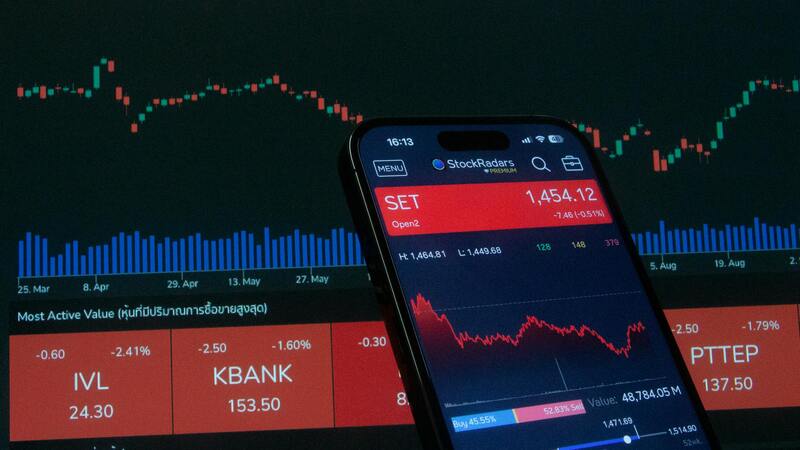
Forex trading is a significant focus within white label solutions, with platforms designed specifically to meet the unique demands of currency markets. These platforms integrate real-time Forex data, advanced charting tools, and automated execution features, allowing traders to operate across multiple currency pairs efficiently. The deployment of Prop Tech in Forex solutions enhances price transparency, facilitates smooth transactions, and improves risk management, making these platforms pivotal for firms aiming to penetrate foreign exchange markets.
Features of Forex White Label Platforms
- Multi-asset integration supporting various currency pairs.
- Real-time market data and news feeds.
- Automated trade execution and risk mitigation algorithms.
- Customizable user interfaces tailored for Forex traders.
- Integrated CRM and client onboarding tools.
Benefits of Prop Tech for Forex and Trading Firms
Implementing Prop Tech within Forex trading platforms delivers numerous operational advantages. It allows firms to offer competitive spreads, efficient order processing, and rapid trade execution, all while maintaining a high level of transparency. Additionally, Prop Tech enables data-driven decision-making, supports client retention through personalized trading environments, and ensures scalability to accommodate growing client bases. These technological enhancements position firms to adapt swiftly to global market fluctuations and regulatory standards, fostering long-term stability and growth.
Implementing Prop Tech in Trading Business Strategies
For trading firms aiming to capitalize on the advancements within the financial technology landscape, meticulous integration of prop tech into core business strategies is crucial. This involves not only selecting suitable platforms but also aligning technological capabilities with specific operational goals to maximize efficiency, enhance client services, and sustain competitive advantage.
Strategic Assessment and Customization
Successful implementation begins with a comprehensive assessment of the company’s current technological infrastructure and operational workflows. Identifying gaps in data analytics, execution speed, risk management, and client engagement enables firms to select the most appropriate prop tech solutions. Customization of these platforms ensures they cater precisely to the firm's trading strategies, asset focus, and client base. Tailoring functionalities such as trading algorithms, reporting tools, and user interfaces enhances usability and aligns with internal processes.
Integration with Existing Systems
Seamless integration of prop tech platforms with existing back-office systems, CRM solutions, and compliance tools is vital for operational harmony. This integration minimizes manual intervention, reduces errors, and streamlines workflows. Efficient data exchange between systems enhances real-time decision-making and simplifies regulatory reporting requirements.
Training and Skill Development
Empowering staff through targeted training ensures the effective utilization of new technologies. Ongoing education on platform functionalities, market data analysis, and risk management protocols helps maintain high performance standards. Additionally, fostering a culture of technological adaptability prepares the team to leverage new updates and features as they become available.
Data-Driven Decision Making
Prop tech solutions provide comprehensive analytics and real-time market data, enabling firms to base trading decisions on factual insights rather than intuition alone. Quantitative analysis, trend forecasting, and scenario simulations support more accurate and strategic trading tactics. Emphasizing data integrity and security is paramount, ensuring that sensitive information is protected, and compliance standards are upheld.
Automation and Risk Management
Automated trading algorithms and risk controls embedded within prop tech platforms facilitate swift response to market changes. These tools help in executing trades precisely at optimal moments, managing leverage effectively, and protecting against adverse price movements. Automation reduces emotional biases and allows traders to focus on strategic planning while routine operations are handled by advanced systems.
Client Engagement and Transparency
Modern prop tech solutions enhance client experience through features like personalized dashboards, real-time trade monitoring, and transparent reporting. These aspects foster trust and encourage client retention. Implementing robust onboarding and support systems within the technology framework further consolidates the firm’s reputation for reliability.
Scalability and Future Planning
Progressive firms anticipate future growth by choosing scalable prop tech platforms. Modular solutions that can expand functionalities or integrate with emerging technologies, such as AI-driven analytics and machine learning algorithms, position firms to adapt swiftly to market innovations. Regular evaluations and updates ensure that technology investments remain aligned with evolving strategic objectives and industry standards.