
Overview of Prop Technologies in Trading Industry
Prop technologies, also known as proprietary trading technologies, have revolutionized the trading landscape by providing sophisticated tools and platforms that empower traders and firms to operate efficiently and effectively. These technologies encompass a broad spectrum of software solutions, infrastructure, and support systems designed to streamline trading activities, enhance execution speed, and optimize risk management strategies. Within the trading industry, the adoption of advanced prop technologies is becoming increasingly vital, facilitating innovative business models like white label solutions for trading platforms.
White label solutions, in particular, have gained popularity among new and established trading firms due to their ability to offer customizable, ready-to-use platforms under a firm's own branding. These systems act as a foundation upon which firms can build their unique trading environment without the need to develop technology from scratch. Such technological frameworks are crucial for expanding market reach, improving operational efficiency, and delivering a seamless trading experience to clients.
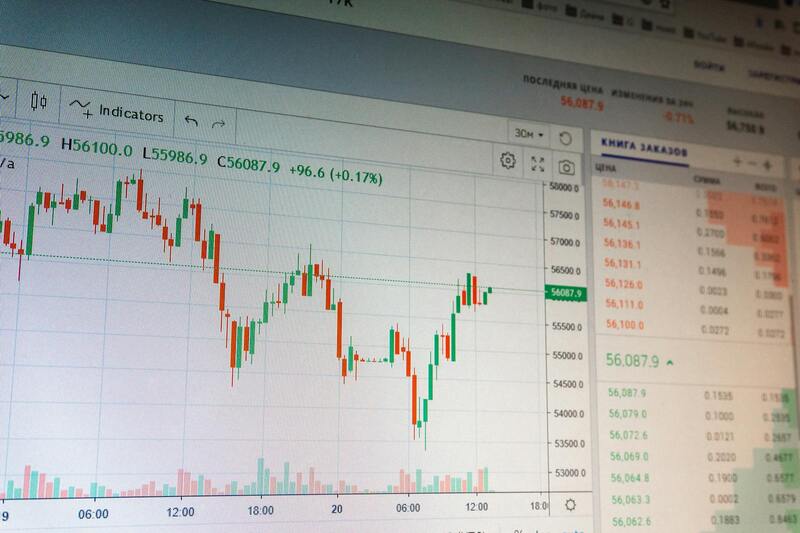
Evolution and Significance
The evolution of prop technologies has been driven by the increasing demand for digital solutions capable of handling vast trading volumes with precision and reliability. These tools incorporate features like automated order execution, comprehensive analytics, and real-time risk assessment, all of which contribute to more informed decision-making processes. Advancements in cloud computing, API integrations, and data security have further expanded the capabilities of prop technologies.
For firms operating within the trading realm, leveraging cutting-edge prop technologies ensures they remain competitive in a fast-paced environment. They facilitate scalability, support complex trading strategies, and enable rapid onboarding of traders through efficient platform deployment. As a result, such technologies form the backbone of modern, innovative trading firms seeking to enhance their service offerings and operational performance.
White Label Forex and Prop Firm Solutions
White label solutions for forex and proprietary trading firms have become essential tools in modern trading environments. These platforms provide a comprehensive set of features that allow firms to quickly establish their unique trading brand while maintaining a high standard of functionality. By opting for white label solutions, firms can significantly reduce the time and resources needed to develop a trading platform from scratch, enabling faster market entry and increased responsiveness to client demands.
Typical offerings include customizable interfaces, integrated risk management tools, multi-asset support, and seamless liquidity integration. These features allow firms to tailor their trading environment to specific customer preferences and operational strategies. Furthermore, white label platforms are designed with scalability in mind, supporting both small-scale and large enterprise operations as they grow.
In terms of technical infrastructure, these solutions often incorporate advanced trading algorithms, real-time data feeds, and sophisticated order routing capabilities. This ensures that traders experience low latency executions and access accurate market data, which are vital for executing high-speed trading strategies. The flexibility offered by these platforms also facilitates the integration of third-party services such as analytical tools, CRM systems, and custom reporting features, providing a holistic trading setup tailored to individual firm requirements.
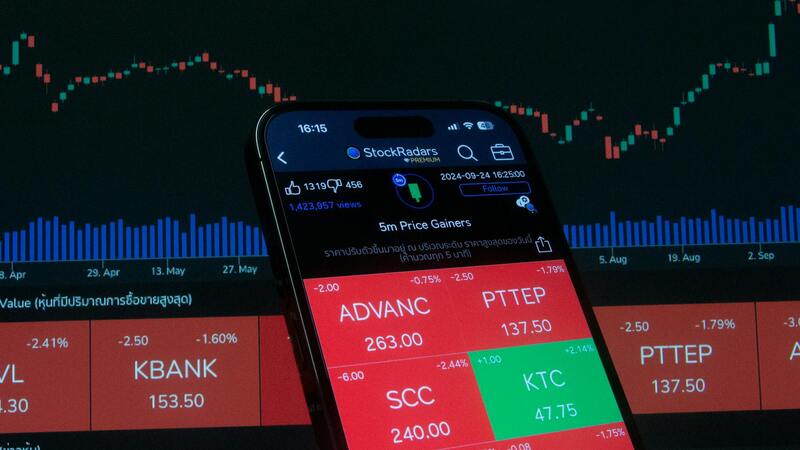
Moreover, white label platforms often include comprehensive back-office management systems, simplifying account management, compliance reporting, and transaction monitoring. This integrated approach supports operational efficiency and ensures that firms meet industry standards for transparency and client protection.
Adopting white label solutions not only accelerates market readiness but also enhances brand identity, as firms can modify visual elements, user interface design, and branding assets to align with their corporate image. This cohesive branding helps to attract and retain clients, build trust, and promote long-term engagement within competitive trading markets.
White Label Forex and Prop Firm Solutions
Prop technologies play a pivotal role in enhancing the operational efficiency of forex and proprietary trading firms by seamlessly integrating advanced proprietary trading tools with comprehensive white label solutions. These integrations enable firms to provide their traders with cutting-edge platforms that are both customizable and scalable, addressing the unique needs of their client base. For forex firms, this means offering tailored dashboards, sophisticated risk management modules, and algorithmic trading capabilities that can be adapted to various trading styles. In prop firms, these technologies facilitate the deployment of proprietary risk assessment models, trader performance analytics, and automated funding processes, streamlining the entire growth cycle of traders while maintaining rigorous control over trading parameters.

The synergy between proprietary tools and white label platforms ensures that firms can maintain a competitive edge through rapid deployment of new features, custom branding, and integration of third-party services, all within a secure and compliant environment. This setup not only accelerates the onboarding process for traders but also fosters innovation by allowing firms to test and implement new trading strategies without extensive infrastructure overhaul.
Advantages of Using Prop Technologies for Prop Firms
- Enhanced Customization: Prop technologies allow firms to tailor the trading environment, risk controls, and client interfaces, aligning offerings with specific business models and trader preferences.
- Operational Efficiency: Automation capabilities streamline compliance, reporting, and account management, enabling faster decision-making and reducing administrative burdens.
- Scalability: As firms grow, their infrastructure needs evolve. Prop technologies offer flexible solutions that expand seamlessly to accommodate an increasing trader base and trading volume.
- Risk Management: Sophisticated risk controls and real-time monitoring ensure that firms can effectively manage exposure and prevent significant losses, maintaining a stable trading environment.
- Technology Integration: The ability to incorporate third-party analytical tools, CRM systems, and data feeds enhances the overall trading ecosystem, providing traders with comprehensive insights and better execution capabilities.
Key Features of White Label Trading Software
- Multi-Asset Support: Compatibility with forex, commodities, indices, and cryptocurrencies, allowing firms to diversify offerings and attract a broader clientele.
- Advanced Charting and Analytics: Real-time technical analysis tools and customizable dashboards empower traders to make informed decisions.
- Order Management and Automation: Features such as one-click trading, stop-loss, take-profit, and algorithmic trading modules facilitate efficient trade execution.
- Client Management and CRM: Integrated client onboarding, account management, and communication tools improve customer service and retention.
- Reporting and Compliance: Automated reports and audit trails ensure transparency and streamline regulatory adherence.
Implementation and Customization of White Label Solutions
Deploying white label solutions involves a systematic process that begins with assessing the specific needs of the firm. The platform is then customized in line with branding requirements, including visual design, user interface adjustments, and feature configurations. The process typically includes integration with existing back-office systems, payment gateways, and data feeds to ensure a seamless trading environment.
Custom development allows firms to add unique functionalities, such as specialized risk protocols, trader training modules, or social trading features, thereby differentiating their offerings in a competitive marketplace. Training sessions and technical support are critical components of the onboarding process to ensure smooth operation and ongoing adaptability of the platform.

Security, Compliance, and Regulation
Implementing robust security measures is essential to protect client data and trading assets. These include data encryption, two-factor authentication, and intrusion detection systems that safeguard sensitive information from unauthorized access. Regular security audits and updates further reinforce platform integrity.
Compliance with industry standards and regulatory guidelines is embedded into the architecture of reputable white label solutions. This encompasses automatic reporting tools, audit trails, and KYC procedures to ensure that firms adhere to regional and international trading requirements. Maintaining such standards helps foster trust among clients and partners while reducing operational risks.
Future Trends in Prop Technologies for Trading
The evolution of prop technologies continues to focus on artificial intelligence, machine learning, and big data analytics. These innovations aim to improve predictive trading models, automate complex decision-making processes, and enhance personalization for clients. Additionally, blockchain integration offers improved transparency and security for transaction processing and record keeping.
Enhanced mobile compatibility and the development of decentralized trading platforms are also shaping the future landscape, providing traders with more flexible and accessible environments. As the technology matures, partnerships between trading firms and fintech providers will grow, fostering innovation and creating more efficient, user-centric trading ecosystems.
Advantages of Using Prop Technologies for Prop Firms
Prop technologies have revolutionized the operational landscape for proprietary trading firms by providing tools that significantly enhance efficiency, risk management, and brand development. Leveraging these advanced solutions allows firms to streamline their trading processes, maintain a competitive edge, and uphold the highest standards of operational integrity.
One of the primary benefits of prop technologies is the automation of trading activities, which reduces manual errors and accelerates decision-making cycles. Automated trading systems, coupled with sophisticated algorithms, enable traders to execute strategies with precision and speed that manual systems cannot match. This efficiency not only boosts profitability but also allows traders to focus on strategy refinement and market analysis rather than operational logistics.
Effective risk management is integral to the success of prop trading operations, and this is where prop technologies deliver significant advantages. Risk management modules embedded within white label solutions enable real-time monitoring of trading positions, margin levels, and leverage impacts. These modules facilitate swift responses to market volatility, minimizing potential losses and safeguarding trading capital. Moreover, comprehensive reporting and analytics tools provide transparency and facilitate informed decision-making, which is vital in navigating unpredictable market conditions.
Branding and client engagement are also positively impacted by prop technologies. White label platforms allow firms to customize their trading environment, incorporating branding elements that reinforce identity and professionalism. The intuitive interface design and seamless user experience enhance client satisfaction and loyalty. Additionally, modern prop technology solutions often include integrated CRM systems and client management tools, which streamline client onboarding and communication while providing valuable insights into client behaviors and preferences.
Security features are vital in maintaining trust with clients and partners. Advanced encryption, multi-factor authentication, and activity monitoring are standard within reputable prop technological solutions, creating secure trading environments. These measures help protect sensitive information and trading assets against unauthorized access and cyber threats.

Adopting prop technologies isn’t just about operational upgrades; it also signals a firm’s commitment to innovation and professionalism. Demonstrating technological proficiency helps attract sophisticated traders and institutional clients, fostering growth and reputation in the competitive trading landscape. As these platforms evolve, firms that leverage cutting-edge functionalities will be better positioned to navigate market complexities and capitalize on emerging opportunities with agility and confidence.
Key Features of White Label Trading Software
White label trading software is designed to provide a comprehensive suite of tools that empower prop firms to offer robust and competitive trading environments. Among the most vital features is integrated risk management, which enables firms to set exposure limits, monitor trading activity in real-time, and implement automated safeguards to prevent significant losses. These features assist in maintaining the firm's financial stability and clients' confidence.
Another crucial aspect is compliance support, which ensures adherence to regulatory standards across different jurisdictions. This often includes automated reporting tools, audit trails, and KYC procedures built directly into the platform, reducing the burden of manual oversight and helping firms mitigate compliance risks.
Multi-asset support is pivotal for firms aiming to diversify their trading product offerings. Advanced prop technological solutions support trading in forex, commodities, indices, cryptocurrencies, and more, providing traders with diverse options within a unified platform. This versatility attracts a broader client base and encourages higher trading volumes.
Comprehensive trading analytics constitute the backbone of strategic decision-making. Features such as real-time performance dashboards, historical data analysis, and customizable reporting tools allow firms and traders to identify market trends, optimize trading strategies, and enhance overall performance. These insights facilitate continuous improvement and strategic planning.

Key Features of White Label Trading Software
White label trading software stands out due to its comprehensive set of features designed to meet the diverse needs of proprietary trading firms. One of its core strengths is the ability to offer a customizable trading environment, enabling firms to embed their branding elements such as logos, color schemes, and proprietary interfaces. This level of customization supports the creation of a unified and recognizable brand identity, which is crucial for attracting and retaining clients.
Robust trading analytics tools are integral to white label solutions. These tools provide detailed insights into trader performance, market trends, and trading patterns in real-time. Advanced dashboards offer intuitive visualizations and customizable reports, empowering traders and managers to make informed decisions quickly. Historical data analysis, coupled with real-time performance metrics, facilitates strategic adjustments and risk management, ensuring traders can adapt to evolving market conditions proactively.

Security features are embedded at the core of these platforms, including multi-layer encryption, secure data storage, and multi-factor authentication. These measures safeguard sensitive trading data and personal information, building trust with clients and ensuring smooth operational workflows. Additionally, fraud detection algorithms monitor unusual activities, flagging suspicious transactions for further review.
Risk management features like automatic stop-loss and take-profit orders, along with real-time margin monitoring, help traders implement effective risk controls. Automated trading capabilities and algorithmic trading modules further enhance operational efficiency, allowing traders to execute strategies with minimal manual intervention. This integration of automation is particularly valuable in high-frequency trading environments where speed and precision are paramount.
Another important aspect of white label trading software is the versatility in asset class coverage. Most platforms support trading across foreign exchange, commodities, indices, cryptocurrencies, and other financial instruments. This multi-asset functionality broadens the scope of trading options, attracting a diverse client base and encouraging higher trading volumes.
Firms can also benefit from the social trading or copy trading modules integrated into many solutions. These features facilitate community building and enable novice traders to learn from experienced professionals, fostering user engagement and expanding client retention strategies.

Comprehensive risk assessment tools, regulatory compliance modules, and real-time audit trails are also crucial components that support operational transparency. These features simplify reporting procedures and help maintain adherence to industry standards, fostering client confidence and smoother onboarding processes.
In summary, white label trading software encompasses a wide array of features aimed at enhancing usability, security, and operational efficiency. Its modular design allows firms to tailor the platform to their unique business models, ultimately resulting in a fully integrated and professional trading environment that meets the demands of today’s fast-paced financial markets.
Implementation and Customization of White Label Solutions
Effective integration of prop technologies into a trading operation requires meticulous implementation and customization tailored to specific business needs. This process begins with selecting a robust white label platform that aligns with the firm’s strategic objectives and operational requirements. Once the platform is chosen, the deployment phase involves configuring the user interface, trading modules, risk management tools, and back-office systems to match branding guidelines and operational workflows.
Customization extends beyond visual branding; it encompasses functional adjustments such as setting trading parameters, defining asset class availability, and integrating third-party services like market data feeds or analytic tools. API integrations are vital at this stage, facilitating seamless data exchange between the platform and external systems, which enhances automation and operational efficiency.

Technical implementation often involves coordinating with platform developers or service providers to ensure stable deployment. This collaboration should focus on scalability, security, and ongoing support, which are essential for maintaining a resilient trading environment. Proper training for staff and end-users is also critical to maximize the platform's capabilities and ensure smooth daily operations.
Ongoing customization may involve iterative updates, based on client feedback and evolving market conditions. Continuous monitoring and maintenance help optimize performance, enhance user experience, and introduce new features aligned with industry advancements. Ultimately, the goal is to create a tailored, efficient, and competitive trading environment that can adapt to the dynamic nature of financial markets.
Security, Compliance, and Regulation
Implementing effective security measures is fundamental for maintaining the integrity and confidentiality of trading operations. Prop technology providers often incorporate advanced encryption protocols, multi-factor authentication, and secure data storage solutions to protect sensitive information. Regular security audits and vulnerability assessments are essential to identify and address potential threats proactively, ensuring that the platform remains resilient against cyber-attacks.
Compliance with industry standards involves adherence to prescribed protocols for data handling, reporting, and operational transparency. White label solutions typically include built-in compliance tools that facilitate trade auditing, record-keeping, and financial reporting. These features help prop firms align with established regulatory frameworks and internal governance policies, maintaining operational integrity and investor confidence.

Stay informed about emerging requirements and best practices within the trading ecosystem. Many providers offer ongoing updates and support to ensure platforms evolve in step with changing regulations and technological advancements. This continuous improvement reduces operational risks and bolsters the firm’s reputation within the industry.
Integration with Third-party Tools and Data Feeds
- Real-time Market Data Feeds: Seamless integration of live data enhances decision-making accuracy and speed.
- Analytic Tools and AI-powered Insights: Advanced analytics offer granular market analysis, predictive insights, and automated trade signals.
- Risk Management Systems: Customizable risk controls help monitor exposure and enforce trading limits in real-time.
- Trade Reporting and Compliance Software: Automated reporting ensures adherence to regulatory standards with minimal manual intervention.
Such integrations expand the capabilities of white label platforms, enabling prop firms to operate more efficiently while maintaining high standards of security and compliance. Designing these integrations requires collaboration with experienced developers to ensure smooth, reliable data exchange and to uphold the firm’s operational standards.
Ultimately, a robust security and compliance framework is a cornerstone of sustainable trading operations. Properly configured, it protects assets, maintains regulatory adherence, and fosters trust with clients and partners—pivotal elements for long-term success in the competitive landscape of prop trading.