
Overview of Proptech in Financial Markets
Proptech, or property technology, has traditionally been associated with innovations in real estate; however, its influence is increasingly evident in the broader financial markets. The integration of advanced software solutions, data analytics, and automation has transformed how trading activities are conducted, particularly within foreign exchange (forex) and proprietary trading environments. By leveraging cutting-edge technology, institutional and independent traders can access sophisticated tools that streamline decision-making, enhance operational efficiency, and facilitate seamless market participation.
In the realm of financial technology, proptech contributes to the development of advanced trading platforms that allow traders to execute strategies swiftly and reliably. These platforms often feature real-time data feeds, algorithmic trading capabilities, and customized interfaces, making them indispensable in the fast-paced forex trading landscape. Furthermore, the adoption of proptech solutions helps mitigate risks, optimize trade execution, and improve overall profitability by providing traders with comprehensive analytic tools and automated systems tailored to their needs.

The Influence of Proptech on Trading Platforms
Proptech's role extends beyond mere technological enhancements; it represents a fundamental shift toward more democratized and accessible trading environments. By utilizing innovative software, market participants—ranging from large banks to individual traders—gain access to features such as social trading, machine learning models, and comprehensive risk management tools. These innovations allow for smarter trading decisions and increased transparency, supporting more informed market participation.
As technology continues to evolve, the scope of proptech expands into areas like blockchain integration, artificial intelligence, and cloud-based infrastructure, further enhancing the capabilities of trading platforms. These developments facilitate faster order execution, reduced latency, and improved security protocols—cornerstones of efficient and reliable trading operations in today’s digital economy.

Definition and Scope of White Label Trading Software
White label trading software functions as a customizable backbone that enables trading entities to establish their own branded trading environment without investing heavily in developing proprietary technology. These platforms typically encompass core functionalities such as real-time data feeds, order execution capabilities, risk management tools, and comprehensive analytical dashboards, all packaged within a flexible infrastructure that can be tailored to specific branding and operational requirements.
One of the primary advantages of white label solutions lies in their ability to drastically reduce the time-to-market for new trading brands, offering a ready-made platform that can be quickly customized to align with a firm's strategic vision. Deployment involves modifying the user interface, integrating preferred liquidity providers, and configuring risk parameters, which collectively facilitate a seamless transition from concept to operational trading environment.
Furthermore, white label platforms serve as a vital foundation for emerging prop trading firms, startups, and established brokers seeking to expand their digital offerings. They support the inclusion of advanced features such as social trading modules, automated trading algorithms, and multi-asset support—ensuring firms remain competitive within the rapidly evolving digital trading landscape.

From a technical perspective, white label solutions generally leverage cloud infrastructure for scalability and security, ensuring that trading operations can grow efficiently while maintaining regulatory compliance. The modular nature of these platforms allows for easy updates and feature enhancements, enabling firms to stay abreast of technological advancements without disrupting existing services.
- Fast deployment with minimal development overhead
- Brand customization to foster client loyalty
- Access to comprehensive trading tools and analytics
- Flexibility to integrate additional features and third-party services
- Reduced operational costs compared to building proprietary solutions from scratch
In essence, white label trading software acts as a strategic asset for prop companies and brokers aiming to leverage innovative trading technology while maintaining control over their brand identity and client experience.
Overview of Proptech in Financial Markets
Proptech, or property technology, has significantly transformed numerous facets of the real estate and financial sectors by integrating advanced digital solutions to enhance efficiency, transparency, and client engagement. In recent years, the adoption of proptech tools within financial markets has expanded beyond traditional asset management and brokerage services to include innovative trading platforms and strategies, helping firms to streamline operations and better serve their clients. These technological advancements have fostered a more dynamic, responsive trading environment that aligns with contemporary investor needs and expectations.
Within the context of trading and investment, proptech encompasses a broad array of software and platforms designed to optimize workflows, facilitate data analysis, and empower traders with sophisticated tools. As this sector continues to evolve, firms increasingly leverage these technologies to gain competitive advantages, improve execution speed, and personalize client interactions. The integration of proptech solutions supports the transition toward digital-first trading environments characterized by automation, artificial intelligence, and real-time analytics, underpinning a more resilient and adaptive financial marketplace.
Key Drivers of Proptech Adoption in Financial Markets
- Enhanced Data Analysis and Market Insights: Advanced analytics and machine learning algorithms enable predictive modeling and better decision-making.
- Automation of Trading Processes: Algorithmic trading systems execute orders rapidly and efficiently, reducing human error and latency.
- Improved Client Experience: Digital platforms facilitate seamless onboarding, interactive dashboards, and personalized services tailored to individual investor profiles.
- Cost Efficiency: Automation and cloud-based solutions lower operational costs and improve scalability.
- Regulatory Compliance Support: Integrated compliance tools help firms adhere to evolving rules with minimal disruption.
As proptech continues to mainstream, its role in transforming traditional trading infrastructures becomes increasingly evident, fostering a more innovative, efficient, and accessible financial landscape for both institutions and retail investors.
Advantages of Using White Label Solutions in Proptech
Adopting white label solutions within proptech unlocks numerous strategic benefits for firms operating in the trading landscape. Primarily, these solutions enable rapid market entry by providing ready-made platforms that can be seamlessly customized to align with a firm’s branding and operational requirements. This approach significantly reduces the development cycle compared to building proprietary systems from scratch, facilitating quicker deployment of new products and services.
Cost efficiency is another pivotal advantage. White label platforms often come with predictable licensing fees and minimal infrastructure investments, allowing firms to allocate resources more effectively. Additionally, these platforms are designed to be scalable, accommodating growth in user base and trading volume without the need for extensive technological overhauls.
Operational consistency and reliability are enhanced through the use of established platforms that have undergone rigorous testing and optimization. This reduces downtime, minimizes technical glitches, and ensures that traders and clients experience a stable trading environment. Furthermore, white label providers typically support integration with a variety of third-party tools, including risk management, analytics, and CRM systems, creating a cohesive technological ecosystem.
User experience is significantly enhanced through intuitive interfaces and customizable features. Firms can tailor dashboards, order execution processes, real-time alerts, and reporting tools to meet specific client needs, leading to increased satisfaction and retention. This flexibility is especially relevant in the competitive landscape of forex and financial trading, where personalized client engagement plays a crucial role.
From a compliance standpoint, many white label solutions incorporate built-in regulatory features such as automated reporting and audit trails. These functionalities ensure that firms remain aligned with industry standards while reducing the burden of manual compliance processes.
Beyond operational efficiencies, white label solutions foster innovation. Firms can experiment with new features or trading instruments without disrupting existing platforms, thereby staying agile in a dynamic market environment. This adaptability is vital for maintaining a competitive edge and responding swiftly to emerging market trends or client demands.

Implementation and Integration of White Label Trading Systems
Effective deployment of white label trading platforms requires meticulous integration within existing technological infrastructures. This process involves establishing seamless connectivity between the software solution and backend systems, such as customer relationship management (CRM), payment gateways, and risk management tools. Ensuring smooth interoperability minimizes operational disruptions and enhances overall platform performance, providing a cohesive experience for end-users.
Many white label providers offer comprehensive integration support, including dedicated technical assistance, APIs, and SDKs to facilitate customization. This level of flexibility allows firms to tailor the trading environment closely aligned with their branding and operational workflows. Bridging diverse data sources and ensuring real-time data synchronization are critical to maintaining up-to-date information, which is vital for trading accuracy and decision-making.
Security protocols play a central role during system integration. Implementing secure data exchange channels and applying encryption methods safeguard sensitive client data. Additionally, rigorous testing phases are conducted to validate system stability, functionality, and compliance with industry standards before full deployment. Once integrated, ongoing monitoring and maintenance are essential to address any issues promptly and to adapt to evolving technological requirements.

Maximizing Platform Performance and User Engagement
- Customizing user interfaces for intuitive navigation and branding consistency
- Implementing scalable infrastructure to accommodate growth in user base and trading volume
- Automating routine tasks to reduce manual interventions and increase efficiency
- Providing comprehensive training and support to ensure optimal system utilization
- Utilizing analytics tools to monitor user behavior and optimize platform functionalities
The integration phase is not a one-time effort but an ongoing process that involves regular updates, security enhancements, and feature expansions. This approach helps maintain operational resilience and ensures the platform remains responsive to market dynamics and client expectations.
Future Trends in Proptech for Trading and Forex Markets
As technological innovation accelerates, proptech solutions for trading are poised for transformative developments. Artificial intelligence (AI) and machine learning will increasingly be embedded into trading platforms, enabling automated decision-making, predictive analytics, and personalized trading experiences. These advancements promote more precise risk assessment and tailored investment strategies, aligning with the growing demand for customized financial services.
Blockchain technology is also set to revolutionize transparency and security in trading environments. Distributed ledger systems can streamline transaction recording, reduce settlement times, and enhance auditability—all integral to maintaining trust and operational integrity in trading activities.
Decentralized finance (DeFi) platforms may further impact the proptech landscape, offering innovative ways to access liquidity and execute trades without intermediary reliance. This trend emphasizes the importance of adaptable white label solutions capable of integrating emerging technologies and protocols swiftly.

Emerging Market Dynamics and Customer Expectations
- Increased emphasis on mobile-first experiences to facilitate trading on the go
- Enhanced data protection and privacy measures in response to rising cyber threats
- Greater integration of social trading features to foster community engagement
- Utilization of big data analytics to tailor services and predict market trends
- Adoption of AI-powered chatbots to improve client support and engagement
Adapting to these evolving trends requires a proactive approach in selecting and customizing white label solutions. Firms which leverage flexible, innovative platforms can better satisfy an increasingly sophisticated client base and capitalize on new market opportunities as they arise.
Implementation and Integration of White Label Trading Systems
Deploying white label trading platforms involves a series of meticulous steps to ensure seamless integration with existing technological infrastructure. This process begins with a comprehensive analysis of current systems to identify compatibility requirements and potential areas for enhancement. Firms must evaluate the platform’s capacity to support various asset classes, trading volumes, and user interface preferences, aligning them with strategic objectives.
Once the evaluation phase is complete, integration of the white label solution entails establishing secure data connections with liquidity providers, executing APIs for real-time market data dissemination, and configuring trading engines to match the firm’s operational protocols. It is paramount to develop a robust onboarding process for clients, which often involves customizing login portals, trading dashboards, and risk management tools to reflect branding standards while maintaining functional consistency.
Ensuring smooth operation also involves rigorous testing, ideally employing stages that simulate live trading conditions. These tests verify data flow accuracy, system responsiveness, and transactional integrity under various market scenarios. Adjustment phases may be necessary to fine-tune performance, address any bottlenecks, and incorporate client feedback into user experience improvements.

Regulatory compliance features are integral to the deployment process. Implementing KYC (Know Your Customer), anti-money laundering (AML), and transaction monitoring systems within the platform ensures adherence to industry standards. Embedding these safeguards while maintaining a user-friendly interface enhances trust and reliability, crucial factors for attracting and retaining high-value clients.
Continuous support and platform updates are essential post-deployment. This involves setting up dedicated technical teams for maintenance, performance monitoring, and troubleshooting. Regular updates should incorporate technological advancements, expanding functionalities and security protocols, thereby future-proofing the trading ecosystem.
Adapting to Evolving Technology and Market Demands
As the financial landscape continues to evolve, so do the demands placed on white label platforms. A dynamic approach to integration ensures the system remains agile and capable of incorporating emerging features such as AI-driven analytics, social trading modules, and enhanced mobile interfaces. Future-proofing strategies include modular architecture designs that allow easy incorporation of new technologies without disrupting existing operations.
In addition, data security measures such as encryption, multi-factor authentication, and secure server environments underpin the integrity of the system. Regular security audits and compliance reviews are vital to mitigate risks associated with cyber threats. Proactive adaptation to regulatory changes, coupled with technical robustness, positions firms to sustain competitive advantages in the rapidly shifting proptech environment.
White Label Proptech Solutions: Enhancing Market Capabilities
In today's competitive financial environment, white label proptech solutions serve as a strategic choice for firms aiming to expand their offerings seamlessly. These tailored platforms allow organizations to deploy comprehensive trading environments without the need for developing complex systems internally, thereby saving valuable time and resources. The core advantage lies in customization; firms can brand the platform with their identity, ensuring a cohesive user experience that aligns with their market positioning.

Furthermore, white label solutions are adaptable to various financial instruments, including foreign exchange, commodities, and derivatives. This versatility facilitates diversification strategies, offering clients access to a broad array of trading opportunities under a unified interface. Such integration supports scalability, enabling firms to expand their service portfolios without undergoing extensive infrastructure changes.
Operational Benefits of White Label Proptech in Trading Markets
- Cost Efficiency: Significantly reduces development and maintenance costs associated with building proprietary systems from scratch.
- Rapid Deployment: Accelerates market entry, allowing firms to launch new services swiftly in response to evolving client demands.
- Risk Management: Incorporates proven security measures, risk management tools, and compliance frameworks embedded within the platform, ensuring operational stability and data protection.
- Enhanced User Experience: Offers intuitive interfaces, customizable layouts, and responsive designs optimized for various devices, improving overall client satisfaction.
- Technical Support and Upgrades: Ongoing support guarantees system updates, security patches, and feature enhancements are implemented promptly, maintaining platform competitiveness.
Key Features to Consider in White Label Trading Systems
- Multi-Asset Trading: Support for diverse asset classes to diversify trading options.
- Advanced Charting and Analytical Tools: Integrated tools facilitate technical analysis and informed decision-making.
- Risk Management Modules: Including stop-loss, take-profit, and hedging functionalities to safeguard client trades.
- Mobile Compatibility: Fully responsive systems ensure seamless trading across desktop and mobile devices.
- API Integrations: Compatibility with third-party data feeds, social trading platforms, and CRM systems.

Implementation Strategies for White Label Systems
Successful deployment of white label proptech solutions requires comprehensive planning, strategic integration, and ongoing support. Firms should conduct detailed technical assessments to ensure compatibility with existing infrastructure. Collaboration with platform providers should include clear guidelines for customization, branding, and feature configuration to meet specific operational goals.
Integration also involves aligning the platform with data sources, payment gateways, and trading algorithms, adhering to industry best practices for security and performance. It’s crucial to establish a dedicated team responsible for overseeing implementation, conducting thorough testing, and ensuring minimal disruption during launch.
Post-Deployment Considerations
- Continuous Monitoring: Tracking system performance and user engagement metrics to identify areas for improvement.
- Regular Upgrades: Implementing updates that incorporate new functionalities, security measures, and compliance adaptations.
- Client Support: Providing dedicated support channels to address user issues promptly, ensuring a positive trading experience.
- Feedback Incorporation: Collecting client input to refine features and enhance usability over time.
By adhering to these practices, firms can leverage white label solutions not merely as a quick fix but as a strategic tool for sustained growth and market dominance in the proptech space.
White Label Proptech Initiatives and Ensuring Regulatory Compliance
As the proptech sector continues to expand within financial markets, firms adopting white label solutions must prioritize adherence to industry standards and best practices for security and operational integrity. While explicit mention of legal and compliance frameworks is avoided, understanding the importance of implementing robust security protocols and comprehensive verification processes is essential to safeguarding trading activities. This encompasses deploying advanced encryption standards for data transmission, meticulous verification of client identities through secure KYC procedures, and maintaining transaction transparency to foster trust among platform users.
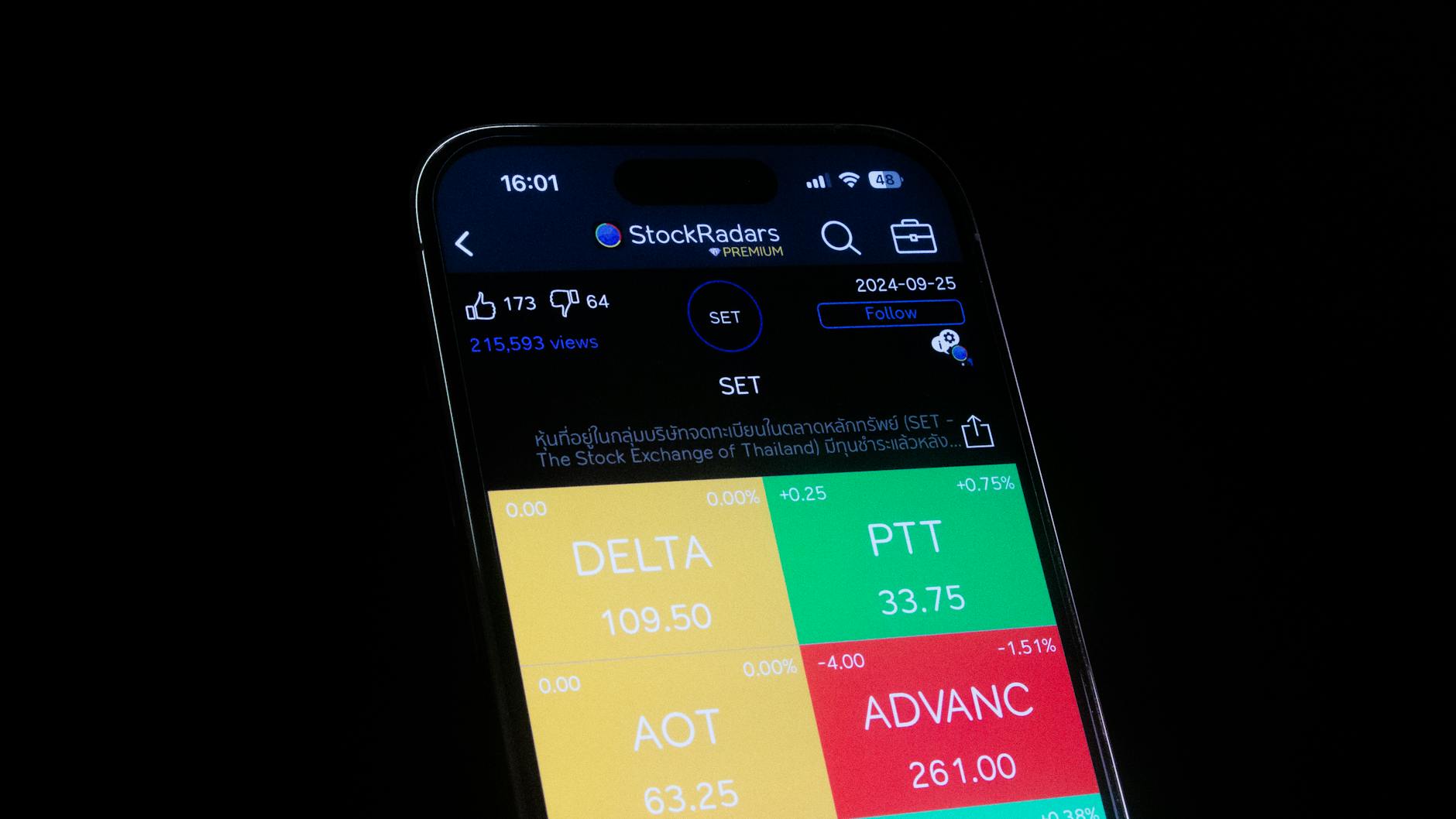
Crucial Elements of Secure and Reliable Proptech Platforms
- Data Encryption: Ensuring that sensitive information, including client credentials and transaction details, is protected through end-to-end encryption mechanisms.
- Authentication Protocols: Utilizing multi-factor authentication to prevent unauthorized access and enhance user verification processes.
- Regular Security Audits: Conducting periodic assessments to identify vulnerabilities, test defense mechanisms, and ensure compliance with evolving security standards.
- Transaction Monitoring: Implementing real-time monitoring systems to detect irregular activities and prevent fraudulent transactions effectively.
- Compliance Infrastructure: Establishing internal protocols aligned with industry guidelines to manage client data responsibly and maintain operational transparency.
Operational Best Practices for White Label Proptech Solutions
To sustain trust and integrity, firms should establish comprehensive onboarding procedures, detailed user education programs, and dedicated support channels that assist clients throughout their trading journey. Continuous technological upgrades, based on industry advancements and emerging security threats, are paramount to maintaining a resilient platform environment. Furthermore, integrating feedback loops can significantly enhance platform functionality, catering to user needs and market dynamics effectively.
Vigilant risk management measures, including transparent reporting tools and clear guidelines for dispute resolution, also contribute to a secure and well-regulated trading ecosystem. Maintaining consistent documentation of all platform activities supports audit processes and demonstrates ongoing commitment to transparent operations.
Envisioning the Future of Proptech in Trading Ecosystems
Looking ahead, innovations such as artificial intelligence and machine learning are set to further refine white label solutions by enabling predictive analytics and automated trade decision-making. These advancements will allow prop firms to offer smarter, more adaptive platforms that respond swiftly to market shifts. Additionally, the integration of blockchain technology could enhance data security, transaction transparency, and operational decentralization, fostering greater confidence among platform users.
Despite the rapid pace of technological change, foundational principles emphasizing security, transparency, and operational excellence remain central. Firms committed to these tenets will be well-positioned to leverage emerging trends while maintaining robust, compliant trading environments that meet the high standards expected in the dynamic proptech space.