
Overview of the Prop Tech Market
The prop tech market has experienced substantial growth over the past decade, transforming the landscape of real estate and financial trading industries. This sector encompasses innovative technologies designed to streamline operations, enhance decision-making processes, and facilitate efficient asset management. The proliferation of digital platforms and advanced data analytics has significantly impacted how practitioners approach property investments, trading strategies, and market analysis.
In recent years, the integration of sophisticated software solutions has become indispensable for traders, investors, and firms aiming to stay competitive in a rapidly evolving environment. The prominence of automation, artificial intelligence, and comprehensive data management tools underscores the importance of technology in prop trading activities. As the market matures, its influence extends beyond traditional real estate functions, encompassing financial markets where trading firms leverage prop tech solutions to optimize performance.

Key drivers behind this expansion include increased investment in digital infrastructure, the democratization of trading technologies, and the rising demand for customized, scalable solutions tailored to specific operational needs. These advancements facilitate greater transparency, faster transaction processing, and enhanced risk management — vital components for successful prop trading and real estate management.
Moreover, the global reach of digital platforms allows firms to access emerging markets and expand their operations seamlessly. As the prop tech sector continues to evolve, its role in bridging traditional practices with cutting-edge technological innovations remains essential for long-term growth and competitiveness.
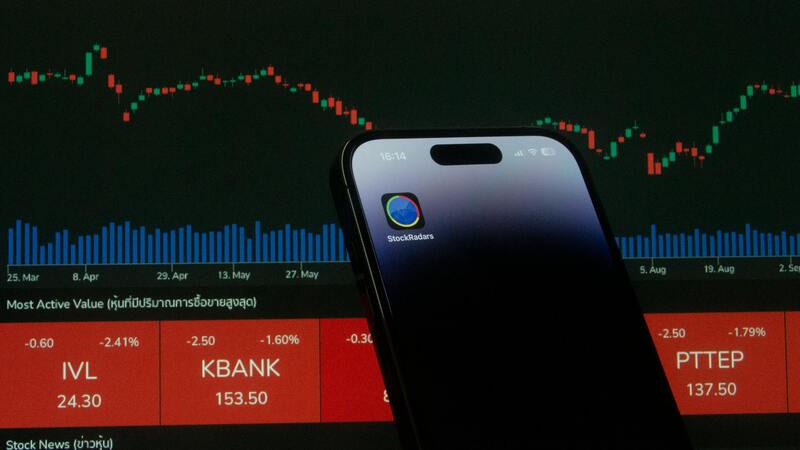
Overview of the Prop Tech Market
The prop tech market is characterized by rapid innovation and the integration of advanced technologies that streamline real estate operations and trading activities. As firms seek to leverage digital tools for competitive advantage, the market has seen significant growth driven by technological adoption, increased investment, and expanding global access to digital platforms.

Market Dynamics and Drivers
Several key factors propel the expansion of the prop tech market, including the relentless push towards digitalization of real estate and trading environments. Investment in digital infrastructure allows firms to develop sophisticated data management systems, enhance transaction speeds, and improve client interfaces. The democratization of technology—making advanced tools accessible to a broader range of market participants—further accelerates this growth.
Particularly notable is the rise of customized solutions that cater to specific operational needs, whether for property management, investment analysis, or trading execution. These bespoke tools enable more precise risk management, data-driven decision-making, and seamless integration with broader financial systems.
Global Accessibility and Market Reach
The digital nature of prop tech solutions facilitates extraterrestrial expansion, granting firms whole new markets and customer segments. Platforms that once only served localized regions now operate across borders, allowing market entrants to tap into emerging markets with ease. This global reach supports diversification strategies and enhances liquidity in various asset classes.
Technological Trends and Future Outlook
Emerging technologies such as artificial intelligence, blockchain, and big data analytics are setting new standards for efficiency and transparency. Predictive modeling helps in identifying lucrative investment opportunities and forecasting market movements, while blockchain enhances transaction security and reduces settlement times. As these technologies mature, their integration into prop tech solutions will become more seamless, fostering more innovative and scalable platforms.
The ongoing evolution of prop tech aims at creating more resilient, flexible, and user-centric solutions. Market players are increasingly focused on interoperability, enabling various systems to communicate and operate cohesively across different platforms and jurisdictions. This interoperability will support more complex and comprehensive trading and management strategies, driving the sector's growth further.
Projected Future Developments
Looking ahead, the prop tech industry is expected to prioritize automation, real-time data processing, and enhanced user experiences. As digital infrastructure continues to expand, firms will harness these developments to optimize operational efficiency, increase transparency, and reduce costs. The integration of autonomous systems and machine learning algorithms promises to revolutionize predictive analytics and decision-making processes, ultimately delivering better outcomes for traders, investors, and property managers alike.
Key Functionalities and Benefits of White Label Trading Software
White label trading software has become an integral component of the evolving prop tech landscape, particularly within the realm of real estate and financial trading platforms. Its core value proposition hinges on delivering a comprehensive, customizable, and scalable solution that enables firms to establish their own branded trading environment efficiently. These platforms typically include features such as multi-asset trading capabilities, advanced charting tools, real-time data feeds, risk management modules, and automated trading options, all designed to cater to the diverse needs of traders and investors.
One of the pivotal advantages of white label solutions is their high degree of customization. Firms can tailor the interface, user experience, and trading workflows to align with their branding identity and operational requirements. This flexibility extends to incorporating proprietary algorithms, embedding specific risk controls, and designing unique onboarding processes, which collectively foster distinctive user engagement.
Scalability is another critical benefit, as white label platforms are built to grow alongside a firm’s expanding client base and evolving service offerings. From onboarding new markets to integrating additional trading instruments, the modular architecture supports continuous enhancement without significant overhauls. Such scalability ensures that platforms remain relevant and competitive over time, accommodating technological advancements and shifting market dynamics.
The integration capabilities of these solutions further amplify their utility. White label platforms are designed to seamlessly connect with other essential systems such as customer relationship management (CRM) tools, back-office operations, payment gateways, and third-party data providers. This interoperability streamlines the entire trading lifecycle, reduces operational friction, and enhances data accuracy, ultimately providing users with a cohesive and efficient trading experience.

Enhancing Operational Efficiency and Competitive Edge
Adopting white label technology not only accelerates time-to-market but also facilitates rapid deployment of new features and services. This agility allows firms to respond swiftly to market changes, deploying updates and innovations that meet their clients’ evolving preferences. The ability to offer customized trading accounts, tailored educational resources, and personalized support through white label platforms significantly enhances client satisfaction and retention.
Furthermore, by leveraging pre-built and tested software components, firms minimize development costs and technical risks. The focus shifts toward strategic growth initiatives, marketing, and customer acquisition—areas critical for maintaining competitiveness in the highly dynamic prop tech environment. As the industry continues to adopt sophisticated analytics and automation, white label vendors that innovate with new functionalities will become valuable partners for firms aiming for a sustained market advantage.
White Label Solutions for Forex Trading
Within the expanding landscape of the prop tech market, white label solutions tailored specifically for forex trading have gained considerable traction. These offerings typically include comprehensive trading platforms, robust APIs, and liquidity provisioning mechanisms designed to meet the unique needs of forex brokers and proprietary trading firms. By adopting these pre-configured systems, firms can significantly reduce the time-to-market while enhancing operational capabilities.
Forex-specific white label platforms are built to support high-frequency trading, multiple currency pairs, and advanced charting tools. They integrate seamlessly with liquidity providers, allowing firms to access competitive spreads and execute trades with minimal latency. These platforms also come equipped with risk management tools, real-time data feeds, and comprehensive reporting functionalities that are crucial in the fast-paced forex domain.
One notable advantage of utilizing white label solutions in forex is the ability to customize the trading interface and features to align with brand identity and client preferences. This customization extends to account types, leverage settings, and trading conditions, empowering firms to differentiate themselves in a crowded marketplace.

Moreover, many providers offer embedded APIs that facilitate easy integration with existing systems or third-party applications, enhancing overall flexibility. Firms can also leverage comprehensive back-end management systems for client onboarding, compliance, and account management, streamlining operations further.
By choosing reputable white label forex solutions, trading firms gain access to a scalable, secure, and feature-rich environment. This not only supports current trading demands but also positions firms to adapt swiftly to future market shifts and technological advancements. As the forex landscape becomes increasingly competitive, deploying proven white label solutions is an effective strategy for firms seeking to expand their footprint while maintaining operational excellence.
White Label Prop Firms and Their Market Impact
White label proprietary trading (prop) firms play a pivotal role in shaping the current landscape of the prop tech market. By offering fully branded trading platforms and infrastructure, these firms enable entrepreneurs and established financial entities to enter the competitive trading arena efficiently. The primary advantage lies in reducing the extensive infrastructure costs associated with launching a trading operation from scratch, thereby lowering barriers to entry and fostering innovation within the industry.
One of the key contributions of white label solutions is their capacity to quickly scale trading operations. Firms can customize their platforms to incorporate specific asset classes, trading styles, and risk management protocols, aligning with their strategic objectives. This flexibility accelerates the deployment process, bringing target markets within reach much faster than traditional methods.

Moreover, white label prop firms significantly enhance market reach by providing access to extensive liquidity pools, sophisticated analytics, and integrated trading tools. This integration supports high-frequency trading, algorithmic strategies, and other advanced trading methodologies, offering traders a competitive edge. As a result, firms benefit from increased trading volumes, improved execution quality, and enhanced revenue streams.
Implementation and Regulation Considerations
Deploying white label solutions requires meticulous planning regarding compliance, security, and technology integration. While these platforms are designed to be adaptable, aligning them with regional trading regulations and standards is crucial to ensure smooth operations. Implementing comprehensive risk management measures, such as trade surveillance and client verification processes, plays an essential role in maintaining operational integrity.
Additionally, firms must prioritize cybersecurity protocols to protect sensitive client data and transactional information. Regular audits and updates to the platform help in maintaining high standards of security and performance, ensuring trust among users and stakeholders alike.
Future Trends in Prop Tech and White Label Trading
The prop tech market is poised for continued innovation driven by artificial intelligence, machine learning, and blockchain technologies. White label platforms are expected to evolve towards more autonomous and intelligent systems capable of predictive analytics, personalized trading experiences, and enhanced automation processes. These advancements will enable firms to deliver greater value to their clients, optimize trading strategies, and adapt swiftly to dynamic market conditions.
Furthermore, increasing integration of social trading features and mobile-first platforms will facilitate broader accessibility and community engagement within the prop trading community. As regulatory frameworks become more sophisticated, solutions that incorporate compliance automation and real-time oversight will become standard, maintaining transparency and investor confidence.
Choosing the Right White Label Solution
In selecting a white label platform, it is essential to consider technological robustness, customization options, and the support ecosystem provided by the vendor. Platforms offering seamless API integration, multi-asset capabilities, and strong security features enable firms to build a resilient trading environment. Compatibility with existing back-office systems and the ability to evolve with technological trends are also critical parameters to evaluate. Ultimately, the right choice hinges on aligning platform capabilities with strategic business goals, ensuring sustainable growth in an increasingly competitive prop tech landscape.
Implementation and Regulation Considerations
Successfully deploying white label trading solutions requires meticulous adherence to established operational standards that align with current industry practices. Establishing secure infrastructure is paramount, including implementing advanced encryption protocols, multi-factor authentication, and continuous system monitoring to protect sensitive client data and safeguard transaction integrity. These measures not only enhance operational resilience but also foster trust among traders and investors. Another critical aspect involves integrating comprehensive compliance frameworks within the platform. This encompasses real-time account monitoring, automated transaction surveillance, and audit trails that enable transparent record-keeping. Systems should be designed to detect suspicious activities promptly, ensuring that trading activities align with recognized standards and operational policies. Furthermore, a structured onboarding process for clients and partners facilitates smoother integration and consistency across the platform. Clear procedures for risk management, margin requirements, and leverage controls should be established, supporting responsible trading practices. Staff training related to platform features, customer support protocols, and operational workflows enhances overall effectiveness and ensures high service quality. Operational excellence also depends on maintaining a flexible architecture capable of adapting to evolving market conditions and technological upgrades. Scalable systems that accommodate growth in trading volume and the addition of new asset classes are advantageous. Regular updates and maintenance schedules not only improve system performance but also ensure ongoing compatibility with emerging standards. From a strategic perspective, aligning platform deployment with specific business objectives—such as target client demographics, desired asset portfolios, and marketing strategies—plays a vital role in maximizing impact and return on investment. Conducting thorough testing phases, including beta launches and pilot programs, helps identify and resolve potential issues before full-scale deployment, minimizing operational disruptions. In sum, meticulous planning around system security, compliance measures, operational workflows, and strategic alignment forms the foundation of a successful white label trading platform implementation, ensuring robust, efficient, and compliant trading environments that meet industry expectations.
Implementation and Regulation Considerations in White Label Prop Trading
When integrating a white label platform into a prop trading operation, meticulous planning around implementation strategies is essential. Ensuring seamless integration with existing infrastructure involves comprehensive compatibility testing with trading algorithms, payment systems, customer databases, and risk management tools. A phased rollout can help identify potential issues early, allowing for adjustments before full deployment.
Training staff is another critical aspect of successful implementation. Providing thorough education on platform features, customer onboarding procedures, and compliance protocols enhances operational efficiency and customer support quality. Establishing well-defined workflows and escalation procedures enables swift resolution of technical issues or customer inquiries, maintaining a high service standard.

Regulatory Framework and Compliance Strategies
Optimal operation within the white label prop trading landscape necessitates adherence to comprehensive compliance strategies. Implementing robust procedures for customer verification, transaction monitoring, and reporting ensures transparency and aligns with industry expectations. Ongoing compliance audits and updates to internal policies are vital to adapt to changing market conditions and regulatory updates, thereby maintaining operational integrity.
Further, establishing internal controls such as segregation of client funds, secure data management practices, and clear audit trails supports responsible trading environments. These measures foster trust among clients and partners, reinforcing the platform’s reputation in the competitive prop tech marketplace.
Technology and Security Protocols
Security remains a core element when deploying white label trading systems. Employing advanced encryption methods, multi-factor authentication, and continuous vulnerability assessments protects sensitive data and trading activity. A resilient infrastructure with disaster recovery capabilities ensures business continuity in case of system disruptions.
Regular system updates and patch management align the platform with emerging vulnerabilities and technological standards. Additionally, user activity monitoring tools help in detecting suspicious patterns, reinforcing the safety and integrity of trading operations.
Market-Specific Customizations
Tailoring white label platforms to specific market needs involves customizing asset classes, interface language options, and user interfaces. Supporting diverse trading styles and asset types enhances appeal to varied client segments. Localizing content and ensuring compliance with regional market practices can significantly improve user experience and operational effectiveness.

White Label Prop Trading and Its Strategic Advantages
White label platforms serve as a crucial component within the prop tech sector, offering a streamlined pathway for firms to deploy sophisticated trading environments efficiently. These solutions enable proprietary trading firms to customize high-performance trading systems under their brand, providing seamless integration with their existing infrastructure. By leveraging white label technology, firms can focus on client acquisition and market expansion while relying on established platform infrastructure to handle trading operations.

Operational Efficiency and Market Expansion
White label solutions significantly reduce time-to-market by offering ready-made yet customizable trading software. This approach eliminates the extensive development timelines associated with building proprietary platforms from scratch. Additionally, they facilitate rapid market entry across diverse regions by supporting multiple languages, regional compliance standards, and localized market features. This scalability is especially relevant given the dynamic and competitive nature of the prop tech industry, where speed and adaptability translate directly into market advantage.
Enhancing User Experience and Client Retention
Effective white label platforms prioritize user experience through intuitive interfaces, real-time data feeds, and customizable trading dashboards. They also incorporate advanced tools for risk management, analytics, and automated trading, which cater to both novice and experienced traders. By providing a comprehensive and user-centric trading environment, prop firms can enhance client satisfaction, loyalty, and overall retention rates, further solidifying their market position.
Security and Data Management Protocols
Robust security measures are fundamental to these platforms, involving encryption, secure login systems, and continuous monitoring of transactional and user activities. Such protocols ensure sensitive data remains protected, trust is maintained, and trading operations remain unaffected by potential disruptions. Additionally, data management practices include comprehensive audit trails and reporting functionalities that support transparency and operational oversight—both vital in maintaining a professional trading environment.
Customization and Market-Specific Adaptations
Tailoring white label platforms to specific regional and asset market requirements involves several modifications. These include adjusting asset class offerings, integrating local currency support, and aligning interfaces with regional trading norms. Customization also extends to supporting regional regulatory practices, such as compliance reporting and client onboarding procedures, which optimize platform relevance and operational efficiency within target markets.
Strategic Selection Criteria for White Label Platforms
Choosing the right white label trading platform requires careful consideration of multiple factors. These include the breadth of features offered, the level of technical support provided, associated costs, and the alignment with strategic growth objectives. A thorough evaluation process involves assessing platform flexibility, integration capabilities with existing systems, and the vendor’s track record in maintaining system stability and security. Identifying solutions that are scalable and easily adaptable to evolving market needs ensures sustained competitive advantage in the prop tech landscape.
Future Outlook for the Prop Tech Market and White Label Trading
Emerging technologies, such as artificial intelligence, machine learning, and blockchain, are poised to redefine white label trading platforms further. These innovations will enable more sophisticated analytics, enhanced security protocols, and automated compliance features, driving efficiency and transparency. As market demands evolve, providers that prioritize innovation, customization, and robust security will likely lead the growth trajectory in the prop tech segment. Firms adopting these advanced solutions can expect to enhance their operational resilience and expand their market share in an increasingly competitive environment.