
Overview of White Label Trading Platforms
White label trading platforms have become a pivotal element for businesses seeking to establish or expand their presence within the financial trading industry. These platforms allow firms to launch their own branded trading environment by utilizing existing, proven technology solutions, primarily based on MetaTrader, which is renowned for its robustness, user-friendly interface, and extensive features.
At their core, white label trading platforms provide a turnkey solution that includes software, infrastructure, and support services, enabling companies to offer their clients a seamless trading experience without the need for extensive in-house development. This approach significantly reduces time-to-market and operational costs, while granting full control over branding, customer interface, and service offerings.

These platforms are highly adaptable, supporting a wide range of asset classes including forex, commodities, indices, and cryptocurrencies, making them suitable for diverse trading firms, prop trading offices, and brokers aiming to diversify their product lineup. By adopting a white label solution based on MetaTrader, companies benefit from the platform’s stability, security, and broad feature set, such as advanced charting tools, automated trading capabilities, and customizable dashboards.
Furthermore, white label platforms facilitate rapid deployment, allowing a firm to establish a fully operational trading environment in a matter of weeks, rather than months or years. This is particularly advantageous for new entrants seeking to capitalize on market opportunities swiftly or existing firms looking to expand their technological capabilities efficiently.
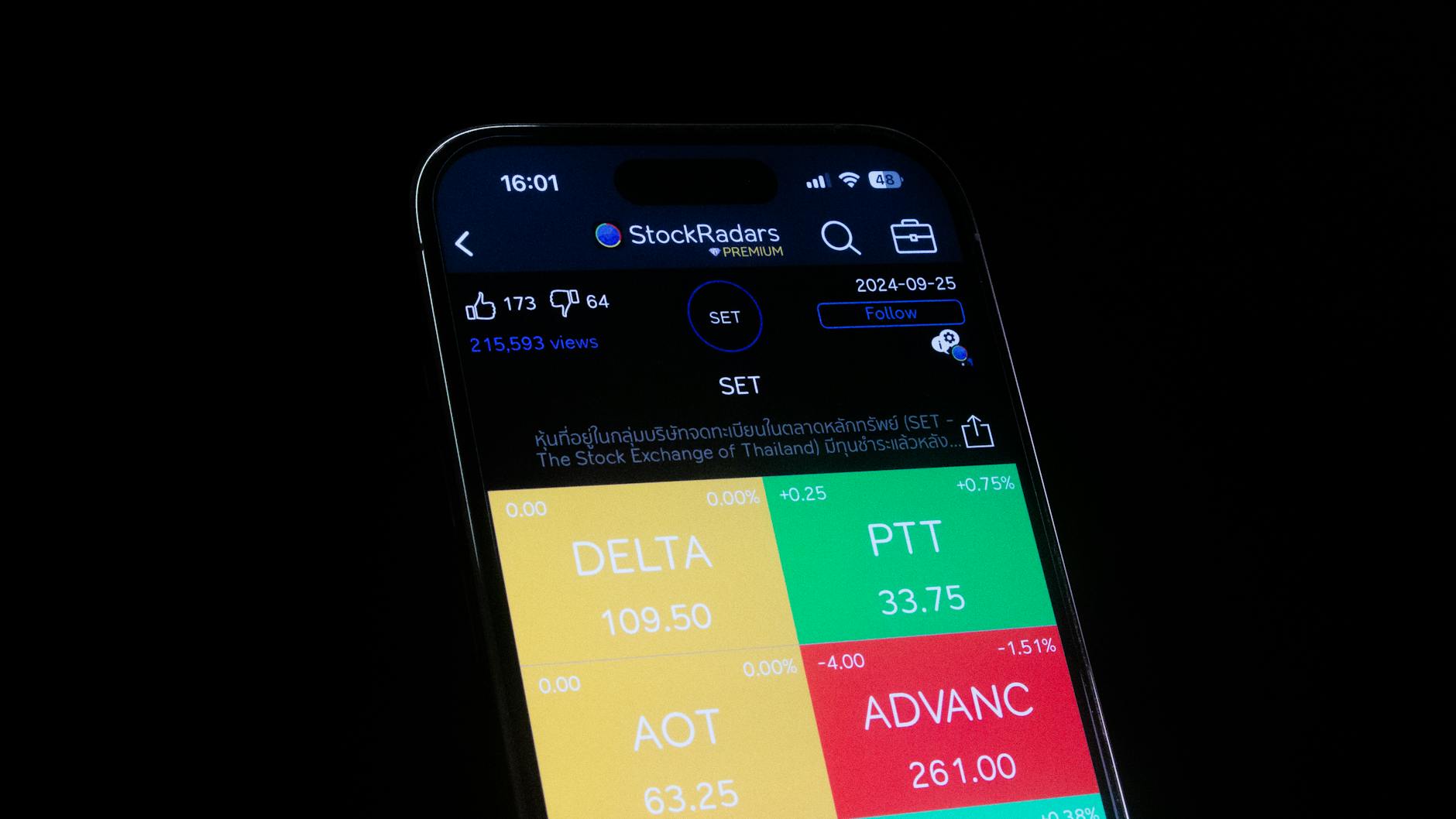
The flexibility of white label trading platforms also extends into support and compliance. Many providers offer comprehensive backend management tools, risk controls, and regulatory adherence features, ensuring that firms can maintain high standards of operational integrity while scaling their offerings globally.
In essence, white label trading platforms serve as a vital bridge between cutting-edge financial technology and strategic business execution. They empower firms to present a professional trading environment under their own brand, foster customer trust, and expand their service portfolio—all while leveraging the advanced capabilities of MetaTrader technology.
Setup and Customization Process
Implementing a MetaTrader white label solution involves a detailed setup process designed to ensure seamless integration and optimal functionality. This process typically begins with a comprehensive consultation between the provider and the client to understand specific requirements, including branding preferences, target markets, and desired features. Following this, technical configurations are tailored to align with the client’s operational workflows, including account structures, risk parameters, and trading conditions.
Once foundational settings are established, the platform undergoes a series of customizations to reflect the company's branding identity. This includes modifying logos, color schemes, and interface layouts to present a cohesive brand experience to clients. Additionally, integration with backend systems such as CRM or payment gateways is achieved to streamline client onboarding and transaction processing.
Security setup is a pivotal part of the process, encompassing SSL encryption, access controls, and anti-fraud measures to protect both the firm and its clients. The platform’s trading servers are configured to ensure high performance, stability, and low latency execution, which are critical for efficient trading operations.

Subsequently, user testing and quality assurance procedures are conducted to verify that all functionalities work correctly across devices and platforms. This phase allows the client to evaluate features like order execution, charting tools, and automated trading modules, ensuring they meet the intended standards before going live.
Most providers also offer hands-on training and detailed documentation to assist operational staff in managing the platform effectively. This ensures a smooth transition from setup to active trading, minimizing downtime and operational errors. The final step involves launching the platform to the target audience, often accompanied by marketing support from the provider to facilitate rapid client acquisition.
Through this structured setup process, firms can quickly establish a fully operational trading environment that aligns with their strategic objectives. The focus on customization, security, and performance guarantees a professional trading experience that enhances client confidence and fosters long-term engagement.

Key Features of MetaTrader White Label Platforms
MetaTrader white label solutions offer a comprehensive suite of functionalities that cater to the diverse needs of modern trading firms. Central to these platforms is multi-asset support, enabling traders to access a broad spectrum of markets including forex, commodities, indices, and cryptocurrencies through a single interface. This versatility attracts a wider audience and provides more opportunities for profit generation.
Integrated risk management tools are embedded within the platform to help mitigate exposure and maintain financial stability. Features such as margin calls, stop-out levels, and real-time exposure monitoring allow firms to oversee trading activity effectively and ensure prudent risk controls.
Client management systems facilitate the onboarding, verification, and segmentation of clients. Dynamic dashboards enable firms to monitor trading behaviors, account statuses, and profitability metrics, thereby supporting effective customer relationship management and tailored marketing strategies.
Advanced analytics tools supply insightful reports on trading performance, platform usage, and client activity. These analytics empower firms to identify trends, optimize marketing efforts, and refine trading conditions to enhance overall profitability.
API integrations expand platform capabilities, allowing seamless connection with third-party services such as payment gateways, CRM systems, and custom trading algorithms. This integration flexibility is crucial for creating a unified operational environment that aligns with specific business models.

Setup and Customization Process
The process of setting up a MetaTrader white label solution involves several methodical steps to ensure a seamless launch. The initial phase includes selecting a provider that offers comprehensive customization options to match the firm’s branding and operational preferences.
Customization begins with branding elements: logo placement, color schemes, and user interface layouts are tailored to reflect the firm’s identity. This branding integration not only enhances professional appearance but also builds trust with clients.
Functional customization involves configuring trading instruments, leverage settings, margin requirements, and risk parameters. These configurations are tailored to align with the firm’s targeted market segments and risk appetite.
Technical setup encompasses server deployment, API integrations, and security protocols. Ensuring robust server infrastructure and encryption measures is crucial for platform stability and data protection.
Once the core setup is complete, thorough testing is conducted to verify features across different devices and operating systems. This includes testing order execution times, charting tools, and automated trading modules to ensure they operate smoothly before going live.
Operational staff receive comprehensive training on platform management, client onboarding, and troubleshooting procedures. Training and detailed documentation facilitate a smooth transition from the setup phase to active trading operations.
The final step involves launching the customized platform to clients, often supported by marketing and onboarding strategies provided by the platform’s vendor. Ongoing support and platform updates ensure that the trading environment remains competitive and secure.
Setup and Customization Process
Implementing a MetaTrader white label solution involves a series of meticulously planned steps designed to seamlessly integrate the platform with your firm's operations. The process begins with choosing a reputable white label provider that offers robust support and comprehensive features tailored to your strategic goals.
Once a provider is selected, the initial phase focuses on branding options. This includes uploading your firm's logo, selecting color schemes that match your visual identity, and customizing the layout to enhance user experience. Effective branding not only fortifies your firm's professional image but also fosters greater client trust and recognition in the marketplace.

Next, the user interface (UI) undergoes customization, allowing adjustments to navigation menus, dashboard layouts, and thematic elements. A clean, intuitive UI is pivotal in improving client engagement and reducing onboarding time for new traders.
Backend configuration represents a critical component where operational parameters are defined. This includes setting trading instruments, leverage ratios, margin requirements, and risk management protocols. Customizing these elements ensures the platform aligns with your firm's trading strategies and compliance standards.
Technical setup encompasses server provisioning, API integrations for payment gateways, CRM systems, and other essential tools. Security measures such as SSL encryption, anti-fraud systems, and firewalls are installed to safeguard sensitive data and ensure operational stability.
The platform then undergoes extensive testing, covering multiple devices and operating systems, to verify all functionalities are performing optimally. This phase includes evaluating order execution times, charting accuracy, and automation features. Identifying and rectifying any discrepancies at this stage prevents operational disruptions post-launch.
Staff training is integral for a smooth transition, involving comprehensive tutorials on platform management, client onboarding procedures, and troubleshooting. Supporting documentation and ongoing support from the provider facilitate this knowledge transfer, empowering your team to manage the platform effectively.
Following successful testing and training, the platform is launched publicly. Active marketing campaigns and client onboarding strategies are employed to attract users. Continuous platform updates and dedicated support help maintain a secure and competitive trading environment, adapting to evolving market demands and technological advancements.

White Label Trading Platform Security and Compliance
Ensuring the integrity and security of your operations is a core component when deploying a MetaTrader white label platform. Robust security protocols are integral in protecting both your clients’ data and your firm’s infrastructure. Industry-standard encryption methods, such as SSL/TLS, encrypt all data transmit between client devices and your servers, preventing unauthorized access and data breaches.
Multi-layered authentication processes are implemented to authenticate users securely, including two-factor authentication (2FA) and biometric verification, where applicable. This approach minimizes the risk of unauthorized account access, reinforcing client trust in your trading environment.
Operational vigilance extends to regular security audits and vulnerability assessments. These evaluations help identify potential weaknesses in the system architecture, ensuring timely mitigation before any exploitation can occur. Anti-fraud systems integrated within the platform monitor trading activities for suspicious behavior, flagging and reviewing transactions that may indicate malicious activity.
Compliance with established data protection standards and industry best practices further bolsters the operational framework. Adhering to standards such as GDPR, where relevant, assures clients that their personal information is handled responsibly. Regular updates to security protocols and continuous staff training in security awareness are vital to maintaining a resilient platform.

Integration with Payment and CRM Systems
Seamless integration capabilities are essential for delivering a smooth trading experience and efficient firm management. White label MetaTrader platforms support various payment gateway solutions, enabling clients to deposit and withdraw funds effortlessly through multiple channels, including bank transfers, e-wallets, and cryptocurrencies.
API integrations with Customer Relationship Management (CRM) systems facilitate efficient client onboarding, support ticketing, and communication flows. These integrations provide your team with centralized control over client data, simplifying management tasks and enriching client engagement strategies.
Automated processes such as account creation, KYC checks, and transaction validations streamline operations, reducing manual effort and minimizing human error. This automation enhances overall efficiency, enabling your team to focus on growth and client service quality.
Customization and Branding
One of the primary advantages of white label solutions is the ability to customize the platform's appearance to match your firm's branding identity. Custom logos, color schemes, and user interface layouts reinforce your brand presence and create a cohesive trading environment for your clients.
The platform's user experience can be tailored to include specific features or tools pertinent to your firm's focus. This may involve customizing dashboards, adding proprietary analytics tools, or integrating specialized trading algorithms. The flexibility of these customization options ensures your platform stands out in a competitive marketplace.

Ongoing Support and Platform Management
Post-deployment, ongoing support is crucial to maintaining a secure, efficient, and updated trading environment. Reputable white label providers offer dedicated technical support, ensuring quick resolution of any operational issues and regular updates to incorporate new features and security patches.
Monitoring tools integrated within the platform provide analytics on user activity, trading volumes, and system performance. These insights assist in making informed decisions regarding platform enhancements and marketing strategies.
Training resources, including tutorials, webinars, and detailed documentation, empower your staff to manage the platform effectively. They also enhance your internal capabilities for client support, troubleshooting, and compliance management.
Maintaining a close partnership with your white label provider encourages a proactive approach to technological advancements, ensuring your trading platform remains competitive and technologically advanced in a rapidly evolving market environment.
Implementing Effective Security Measures for Your White Label MetaTrader Platform
Ensuring the security of your white label MetaTrader platform is paramount for maintaining trust and safeguarding sensitive client data. A robust security infrastructure not only protects against potential cyber threats but also enhances the platform's reputation for reliability.
Key security practices include:
- User Authentication: Implement multi-factor authentication (MFA) to verify user identities, preventing unauthorized access.
- Encryption Protocols: Use advanced encryption standards (AES) for data in transit and at rest, securing client information and transaction details against interception and breaches.
- Secure API Integration: Ensure all APIs connecting your platform with third-party services are secure and regularly updated to prevent vulnerabilities.
- Firewall and Anti-Malware Solutions: Deploy comprehensive firewall systems and anti-malware tools to monitor for and block malicious activities.
- Regular Security Audits: Conduct ongoing vulnerability assessments and penetration testing to identify and rectify potential weaknesses in your infrastructure.
- Data Backup and Disaster Recovery: Implement reliable backup protocols and disaster recovery plans to maintain operational continuity in case of system failures.

Furthermore, comprehensive user activity monitoring tools integrated within the platform can detect suspicious behavior, enabling quick responses to potential threats. Collaborating with a white label provider that prioritizes security ensures your trading environment remains resilient against evolving cyber risks while maintaining compliance with industry standards.
Advanced Customization and Integration Capabilities of MetaTrader White Label Platforms
MetaTrader white label solutions are designed to offer extensive customization options that enable trading firms to tailor their platforms to specific business needs and branding standards. These platforms facilitate the integration of various third-party tools and services, such as advanced charting packages, algorithmic trading modules, and custom reporting systems, thus enhancing operational efficiency and user experience.
One of the core advantages is the ability to modify the frontend interface, including logos, color schemes, and layout configurations, ensuring a seamless brand identity across all trading activities. Additionally, backend customization allows firms to implement bespoke trading algorithms, risk management parameters, and user access controls. This flexibility supports a highly personalized trading environment that aligns with a firm's strategic vision.
Integrating third-party plugins and solutions into a white label MetaTrader platform requires careful configuration. Most providers offer APIs that enable secure and efficient data exchange between the platform and external systems. This integration can include real-time market data feeds, Advanced Trading Analytics, and order management systems, which are vital for sophisticated trading operations.
Moreover, white label providers typically support multi-currency and multi-asset trading features, allowing firms to expand their offerings beyond forex into commodities, indices, and cryptocurrencies. Scalability is central to these platforms, accommodating growing client bases and evolving product lines without compromising performance.

Security and Compliance Integration
In addition to functional customization, white label solutions increasingly incorporate security and compliance modules. These include tools for transaction monitoring, anti-money laundering (AML) procedures, and KYC (Know Your Customer) protocols. Automated compliance checks help ensure adherence to industry standards and facilitate smoother audits, reducing operational friction and enhancing trust among clients.
Robust security features such as encrypted data transmission, multi-factor authentication, and real-time activity monitoring are embedded within these platforms. Such features are critical for safeguarding sensitive client information and maintaining a secure trading environment, especially as the platform scales across various jurisdictions.
Technical Support and Platform Maintenance
Most white label providers offer ongoing technical support, regular updates, and security patches. These services ensure that the platform remains resilient against emerging cyber threats and aligns with the latest technological advancements. Maintenance routines might include server upgrades, bug fixes, and feature enhancements, tailored to the needs of the trading firm.

Conclusion
Adopting a MetaTrader white label platform with advanced customization and integration capabilities provides trading firms with a powerful tool to build a competitive edge. The ability to personalize user interfaces, integrate comprehensive third-party solutions, and embed security measures ensures a professional trading environment that caters to diverse client needs while maintaining high standards of operational integrity.
Advanced Customization and Scalability Options for MetaTrader White Label Platforms
As trading firms expand their operations and seek to differentiate themselves within competitive markets, the ability to customize and scale their white label solutions becomes increasingly essential. MetaTrader white label platforms offer a comprehensive suite of tools and features that can be tailored to meet the unique branding, operational, and technological needs of each organization.
Tailored User Interface and Client Experience
One of the strongest advantages of white label solutions lies in their high degree of flexibility in design and user interface customization. Firms can modify layouts, color schemes, fonts, and navigation paths to reflect their brand identity seamlessly. This personalized environment enhances client engagement and fosters trust by presenting a cohesive and professional appearance across all touchpoints.
Modular Architecture Supporting Expansion
Metatrader white label platforms are built on modular architectures, allowing firms to add new features, trading instruments, and third-party integrations without overhauling the entire system. These modules support a wide array of functionalities, including advanced charting tools, social trading features, mobile trading integration, and automated trading strategies, all scalable to accommodate growing client demands.
Multicurrency and Multi-Asset Trading Support
For firms targeting a diverse client base, the capacity to support multiple currencies and asset classes becomes crucial. White label platforms equipped with multicurrency and multi-asset functionalities enable traders to access forex, commodities, indices, stocks, and cryptocurrencies all within a unified environment. This versatility attracts a broader spectrum of traders seeking comprehensive trading solutions.
Automated Scalability Solutions
Cloud-based infrastructure integrated into white label solutions ensures that platforms can dynamically adapt to increased trading volumes and user activities. Automated scaling features, load balancing, and disaster recovery protocols help maintain smooth operations during peak periods and support long-term growth objectives.
Robust Data Analysis and Reporting Tools
Advanced data analysis capabilities, including real-time analytics, detailed reporting, and customizable dashboards, enable firms to monitor operations meticulously. These insights assist in strategic decision-making, risk management, and optimizing marketing efforts, ultimately leading to improved profitability and service quality.
Integration with Emerging Technologies
The integration of emerging technologies such as artificial intelligence (AI), machine learning algorithms, and blockchain actually transforms the capabilities of white label platforms. AI-driven risk assessment models, predictive analytics, and automated customer service systems improve operational efficiency and client satisfaction, positioning firms at the forefront of innovation.

Ensuring Smooth Upgrades and Continuous Improvements
To maintain competitive advantage, providers often offer regular upgrades that introduce new features, improve security, and enhance usability. A future-proof white label platform ensures that trading firms can adopt innovative solutions swiftly, secure in the knowledge that their infrastructure remains up-to-date without disrupting their daily operations.