
Overview of Metatrader 5 White Label Solutions
Metatrader 5 (MT5) white label solutions present an optimal pathway for individuals and organizations aiming to establish a professional trading environment under their own branding. These platforms enable brokers and proprietary trading firms to leverage the robust features of MT5 without the need for developing a trading system from scratch. By opting for a white label solution, firms can customize the platform’s appearance, functionalities, and user experience, aligning the trading environment with their brand identity and operational needs.
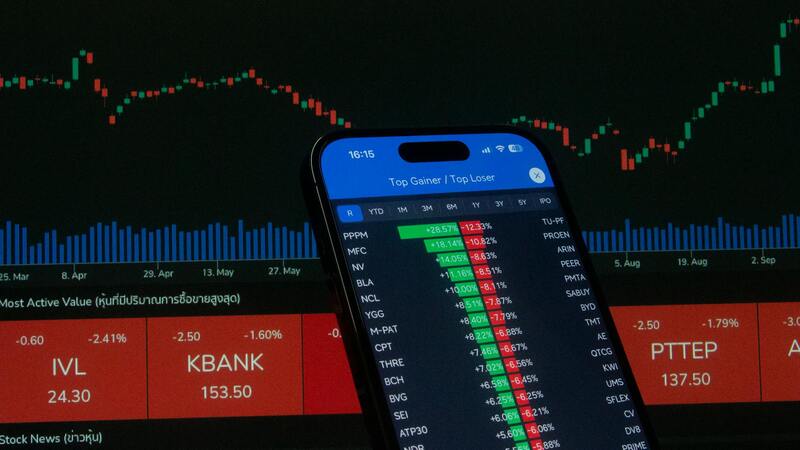
This approach significantly reduces time-to-market and enhances operational efficiency, allowing firms to focus on client acquisition and service quality. White label solutions are typically provided by experienced technology vendors who ensure seamless integration with liquidity providers, risk management tools, and client onboarding systems. The result is a comprehensive trading platform that retains the advanced analytics, automated trading options, and multi-asset capabilities inherent to MT5.
In the context of forex brokers and prop trading firms, a white label version of MT5 offers the flexibility to implement proprietary trading strategies, manage multiple accounts effortlessly, and deliver a secure and stable trading environment. The platform's built-in features also support social trading, algorithmic trading, and advanced charting—attributes highly valued by traders seeking a professional and intuitive trading experience.
Additionally, white label solutions facilitate compliance with financial regulations through integrated risk management, reporting, and audit features. As global trading volumes grow and demands for customization increase, the deployment of MT5 white label platforms remains a strategic choice for new entrants and established firms seeking scalable growth.
Considerations for selecting an MT5 white label provider include platform stability, customization options, support services, and the flexibility to upgrade features as technology evolves. This ensures that your trading business stays competitive and responsive to market changes in the dynamic forex environment.
Overview of Metatrader 5 White Label Solutions
Implementing a Metatrader 5 white label platform provides trading entities with a ready-made, customizable environment to serve their clients efficiently. These solutions are typically developed by specialized technology providers who ensure that the platform maintains its high performance, stability, and security standards. The white label approach allows firms to leverage the robust features of MT5—such as multi-asset trading, algorithmic strategies, and advanced charting—while presenting a tailored interface aligned with their branding and operational preferences.

Essential to any trading operation is seamless integration with liquidity providers and backend systems such as client onboarding, risk management, and compliance tools. A well-designed white label solution incorporates these elements, ensuring a smooth experience from initial client registration to order execution and reporting. This uniformity enhances operational efficiency and provides traders with a reliable, feature-rich platform that can handle multiple accounts, different asset classes, and complex trading strategies.
Furthermore, white label platforms are structured to support diverse trading styles, including social trading and automated systems, catering to a broad spectrum of trader preferences. As regulatory standards evolve, white label providers incorporate compliance features such as detailed audit logs, real-time reporting, and risk oversight functionalities. These integrated systems not only streamline adherence to industry standards but also bolster confidence among traders and regulators alike.
In a competitive online trading environment, the ability to quickly deploy a professional-grade trading platform serves as a significant advantage. The deployment process generally involves setup, customization, integration with service providers, and thorough testing. Once operational, a white label MT5 platform can be scaled or upgraded, keeping pace with technological advancements and expanding business needs. This flexibility makes white label solutions particularly attractive for entities seeking rapid market entry and sustainable growth.
Advantages of Choosing a MT5 White Label Platform
Opting for a white label version of MetaTrader 5 offers numerous strategic benefits:
- Branding Opportunities: Customize the platform interface, trading conditions, and client experience to align with your brand identity, increasing recognition and trust.
- Cost Efficiency: Eliminates the need for developing a proprietary platform from scratch, reducing initial investment and ongoing maintenance expenses.
- Faster Deployment: Launch your trading operations swiftly by leveraging pre-built, tested infrastructure, accelerating time-to-market.
- Access to Advanced Features: Benefit from the extensive analytical tools, multi-asset support, and automation capabilities inherent in MT5, without complex developments.
- Operational Support: White label providers typically offer ongoing technical support, system upgrades, and security enhancements, streamlining day-to-day management.

Key Features of Metatrader 5 White Label Platforms
The core functionalities offered by MT5 white label platforms include:
- Multi-asset trading across forex, commodities, indices, and cryptocurrencies
- Advanced technical analysis tools and customizable charting options
- Algorismic trading capabilities and Expert Advisors (EAs)
- Comprehensive order management and execution systems
- Real-time market data and news feeds
- User-friendly interface tailored for various trader levels
- Robust risk management modules including margin control and stop-out levels
- Integrated CRM and client portal systems for streamlined onboarding
White Label Forex and Prop Firm Strategies
Both forex brokers and proprietary trading firms utilize white label MT5 platforms to accelerate their market presence. Brokers often focus on expanding their client base by offering tailored trading conditions, risk management settings, and bespoke trading experiences. Prop firms, on the other hand, use white label solutions to quickly establish scalable trading infrastructure, implement competitive profit-sharing schemes, and ensure operational transparency. Customizable fee structures, data reporting, and client management features are crucial in crafting a strategy aligned with market objectives and regulatory frameworks.
Implementation Process and Requirements
The deployment of a white label MT5 platform involves several key stages:
- Initial Consultation: Understanding your business model, branding needs, and operational requirements
- Customization and Integration: Configuring the platform’s appearance, trading parameters, and backend systems to match your specifications
- Liquidity and API Connections: Establishing links with liquidity providers and market data sources
- Testing Phase: Conducting thorough testing to ensure stability, security, and compliance
- Launch and Onboarding: Going live and onboarding your first clients with ongoing support
Technical requirements may include server hosting, dedicated API credentials, and compliance documentation, depending on the scope and scale of the deployment.
Choosing a Provider for MT5 White Label Solutions
Selecting the right technology partner is critical. When evaluating providers, consider their platform stability, customization capabilities, support responsiveness, and track record of successful deployments. A reputable provider offers comprehensive onboarding assistance, timely updates, and security protocols aligned with industry standards. Detailed demonstrations or trial periods can help assess how well their solutions align with your operational goals.
Understanding the Technical Setup and Support for a MT5 White Label Platform
Implementing a MetaTrader 5 white label solution demands meticulous attention to the technical framework that underpins the platform. This process involves more than just branding; it encompasses establishing a robust infrastructure capable of handling high-frequency trading, complex data analysis, and seamless client interactions. Ensuring compatibility with existing systems or deciding on cloud-based hosting solutions is crucial for scalable and reliable deployment.
Most providers offer comprehensive technical support, which includes initial setup, ongoing maintenance, and prompt troubleshooting. This support often extends to integrating third-party tools such as advanced analytics, additional charting packages, or bespoke trading algorithms tailored to your business strategy. Implementation requires coordinating APIs with liquidity providers, configuring server permissions, and setting data feeds for real-time market information, all of which contribute to a smooth user experience.

To optimize platform performance, providers may recommend dedicated hosting services to reduce latency, enhance security, and improve uptime. Security protocols, including data encryption, multi-factor authentication, and regular security audits, are integral to protecting sensitive client information. Technical teams should also ensure that the platform complies with the latest industry standards for cybersecurity and data protection.
Training and Documentation for Your Team
Having a well-trained team is essential for managing and promoting your white label platform efficiently. Reputable providers typically furnish extensive training materials, live support sessions, and detailed documentation to facilitate onboarding and day-to-day operations. This training covers platform features, client management tools, risk monitoring, and reporting functionalities, enabling your team to leverage the platform's full potential.
Many providers also offer dedicated account managers who assist with troubleshooting issues, customizing features, and scaling the platform as your business grows. Regular updates and feature enhancements are communicated through dedicated channels, ensuring your team stays informed about the latest improvements and security patches.

For optimal operation, it’s advisable to establish clear communication protocols with your technical support team, schedule regular system health checks, and stay informed about platform updates. Having these measures in place minimizes downtime, maintains high service standards, and enables swift adaptation to market or regulatory changes.
Assessing Scalability and Customization Options
As your business expands, your platform needs to adapt accordingly. Most white label solutions are designed with scalability in mind, allowing integration of additional assets, new features, or regional compliance updates seamlessly. Customization options extend to user interface branding, trading rules, order processing mechanisms, and data reporting, empowering you to tailor the platform precisely to your operational and branding requirements.
Engaging with providers that offer flexible API access and modular architecture can significantly ease future modifications. This approach not only supports growth but also facilitates quick deployment of innovative features, such as social trading capabilities, advanced risk management tools, or integration with emerging financial technologies.

Integration and Setup of MT5 White Label Platforms
Once a suitable white label provider is selected, the process of integration with MetaTrader 5 involves several structured steps to ensure smooth deployment. The provider typically supplies the necessary software package, which includes the platform's core architecture, branding assets, and configuration tools. It is crucial to work closely with technical teams or support personnel during this phase to customize the platform according to branding guidelines and operational needs.
The integration process starts with installing the platform on dedicated servers or cloud environments, depending on the provider’s infrastructure. Ensuring reliable hosting solutions supports platform stability and data security, which are vital components for maintaining trader confidence and operational continuity. The provider often offers detailed documentation and onboarding support to facilitate initial setup, configuration of trading parameters, and customization of user interfaces.

Configuring and Customizing Your MT5 White Label Platform
Customization is a critical facet of white label solutions, enabling brokers and prop firms to tailor the trading environment to their specific branding and operational needs. This encompasses modifying the user interface with custom logos, color schemes, and layout adjustments to match your corporate identity, creating a cohesive and recognizable trading experience.
Additional customization extends to trading features, including setting specific trading hours, selecting available instruments, establishing margin and leverage policies, and defining risk management protocols. The configuration tools provided by the platform enable administrative personnel to update trading parameters rapidly, ensuring agility in response to market trends and client demands. This level of flexibility also allows the integration of proprietary trading algorithms or third-party plugins to enhance trading capabilities.
Operational and Security Considerations
Operational stability and security are paramount in the deployment of a white label MT5 platform. Regular maintenance, including software updates and security patches, is essential to safeguard client data and ensure platform integrity. Many providers include real-time monitoring tools to track system performance and detect anomalies that might compromise service quality or security.
Implementing a comprehensive backup and disaster recovery plan helps prevent data loss during unforeseen incidents. Furthermore, employing advanced encryption protocols for data transmission and storage enhances trustworthiness from the trader perspective. Establishing clear user access controls, multi-factor authentication, and routine security audits further fortifies the trading environment against potential threats.

Training and Support for Platform Operations
Operational success depends greatly on the availability of comprehensive training and ongoing support. Many white label providers offer training modules covering platform features, operational procedures, and client management tools. Such training can be delivered through webinars, tutorials, or personalized sessions tailored to your team’s specific needs.
Continual support is vital for troubleshooting issues, implementing updates, and optimizing platform performance. Establishing effective communication channels with your provider’s technical support team ensures swift resolution of problems that may arise, minimizing disruption to trading activities. Maintenance agreements often include dedicated account managers or support engineers who foster a proactive approach to platform management.

White Label Platform Deployment and Management Strategies for MetaTrader 5
Successful deployment of a MetaTrader 5 white label solution extends beyond initial setup, encompassing comprehensive management practices that ensure optimal performance, security, and compliance. As the platform becomes operational, ongoing strategies should focus on system maintenance, user management, performance monitoring, and continuous enhancement of trading features to meet evolving market demands.
System Maintenance and Performance Monitoring
Regular system maintenance is critical to prevent disruptions and maintain a seamless trading environment. This includes scheduled updates, patch management, and system optimizations to leverage the latest features and ensure compatibility with market data feeds and brokerage interfaces. Automated monitoring tools enable real-time tracking of system performance, including server uptime, latency, and transaction speeds. Alerts can be configured to notify administrators of anomalies or performance dips, allowing rapid intervention to resolve issues before they impact traders.
Furthermore, performance analytics help identify bottlenecks in data processing or trade execution, guiding targeted improvements. These practices sustain high system reliability, which fosters trader trust and enhances client retention.
User Management and Access Controls
Managing user access and permissions is paramount to maintain secure and compliant platform operations. Role-based access controls (RBAC) ensure that staff members have appropriate privileges aligned with their responsibilities. For example, customer support agents should access only client information necessary for their role, while administrators maintain broader system permissions.
Implementing multi-factor authentication (MFA) adds an extra layer of security, reducing the risk of unauthorized access. Routine audits of user accounts and activities help identify any suspicious behavior, supporting proactive risk mitigation. Providing ongoing training for staff on security protocols and platform features ensures operational competence and maintains a security-conscious environment.
Trade and Data Security Protocols
Security measures extend to safeguarding traders' data and transaction integrity. Encryption protocols for data at rest and in transit protect sensitive information against interception or theft. Regular security audits, vulnerability assessments, and penetration testing identify potential weaknesses, enabling prompt remediation.
Applying strict data access policies, maintaining secure backup procedures, and employing advanced firewalls further shield the platform's operational infrastructure. These practices reinforce a secure trading environment that meets industry standards and enhances trader confidence.
Continuous Improvement and Feature Expansion
Adapting to market changes involves regularly updating the platform with new features, trading tools, and analytical capabilities. Engaging with traders through feedback channels helps identify desirable improvements, guiding development priorities. Integrations with new financial instruments, automation tools, or social trading features can differentiate your offering and attract a broader client base.
Ongoing staff training ensures your team is proficient in new functionalities and compliance obligations, fostering efficient platform management. Strategic planning for future upgrades and scalability supports sustained growth and operational excellence.
Visual Enhancements and Client Engagement Strategies

Implementing visually appealing dashboards, customizable interfaces, and real-time analytics can significantly elevate user experience. These tools provide traders with instant insights, better trade management, and increased confidence in platform operations. Additionally, integrating educational content and support channels within the platform fosters community engagement and ongoing client loyalty.
Conclusion
Managing a MetaTrader 5 white label platform involves meticulous attention to operational details, security protocols, and user-centric enhancements. Consistent system upkeep, robust user management practices, and strategic feature updates enable seamless service delivery. When these elements are effectively integrated, they contribute to a resilient, scalable, and secure trading environment that aligns with your business growth objectives.
Implementation Process and Requirements
Establishing a MetaTrader 5 white label platform involves a comprehensive process that ensures smooth deployment and operational efficiency. The initial stage requires selecting a trusted white label provider that offers robust technical support, flexible customization options, and scalability to accommodate future growth. This foundational step is vital to ensure the platform aligns with specific business goals and trading strategies.
Once a provider is chosen, the next step is to define detailed specifications for the platform. This includes designing a client interface tailored to target demographics, integrating branding elements, and configuring trading parameters such as leverage options, spreads, and commissions. Customization allows brokers and prop firms to differentiate their offerings and create a seamless user experience.

Technical integration is often complex, requiring experienced IT teams to configure connectivity with liquidity providers, payment processors, and data feeds. Ensuring real-time execution, reliable data transmission, and comprehensive risk management tools is crucial for maintaining trading integrity and client trust.
Security measures are equally essential to protect sensitive user data and trading activities. Implementing SSL encryption, two-factor authentication, and regular security audits helps in safeguarding the platform from potential breaches or vulnerabilities.
Operational Readiness and Staff Training
Operational deployment involves rigorous testing phases, including beta trials and load testing, to identify and resolve technical issues. Staff members responsible for platform management should undergo thorough training on software functionalities, client support procedures, and compliance requirements. A well-trained team enhances operational efficiency and ensures prompt resolution of client issues.
Compliance and Regulatory Configuration
Another vital aspect is configuring the platform to meet pertinent regulatory standards. This includes setting up necessary reporting features, implementing AML and KYC procedures, and ensuring transparency in fee structures and trading disclosures. Staying compliant not only safeguards the business but also builds confidence among traders.
Continuous Upgrades and Maintenance
Post-launch, ongoing maintenance, updates, and feature enhancements are integral to platform success. Regular updates introduce new tools, improve existing functionalities, and enhance security protocols. Monitoring platform performance and soliciting user feedback facilitate informed improvements and help adapt to evolving market conditions.
In summary, deploying a MetaTrader 5 white label platform demands meticulous planning, technical expertise, and ongoing support. From selecting the right provider and customizing the platform to ensuring security, compliance, and continuous optimization, each step plays a vital role in delivering a reliable and competitive trading environment.
Implementation Process and Requirements
Successfully deploying a MetaTrader 5 white label platform requires a comprehensive, step-by-step approach to ensure seamless integration and optimal performance. The process begins with detailed technical assessment, where the provider evaluates the existing infrastructure, evaluates compatibility, and identifies necessary integrations. This initial phase ensures that the platform aligns with the specific needs of the business and can support custom features.
Following the assessment, the customization phase involves branding adjustments, user interface modifications, and configuration of trading parameters. Federated control over features such as account types, leverage levels, and security settings is established to tailor the platform to target traders. High levels of customization are often facilitated through APIs and SDKs provided by the white label partner, streamlining the development process.

Technical requirements also include server setup, data feeds, and connectivity protocols that ensure real-time data transmission and execution speed. Hosting options range from cloud servers to dedicated physical infrastructure, with appropriate security measures applied to protect sensitive data and trading activities. Ensuring stability and responsiveness is crucial to providing a trustworthy trading environment.
Compliance setup constitutes establishing reporting frameworks, anti-money laundering (AML) procedures, Know Your Customer (KYC) verification, and transaction monitoring systems. These elements are integrated within the platform’s backend to enable transparent and efficient regulatory adherence. Customizable risk management tools and order handling protocols are also configured to align with operational standards.
Once the technical and compliance foundations are in place, extensive testing is essential. This includes beta testing for user experience, load testing for system capacity, and security audits to identify vulnerabilities. Testing phases must be iterative, with feedback loops to refine functionalities and resolve issues before public deployment.
After successful testing, staff training on platform management, customer support, and compliance processes prepares the operational team for smooth day-to-day handling. Transition planning involves detailed documentation, user manuals, and ongoing support arrangements to facilitate a swift, effective launch.
Maintaining the platform post-launch involves continuous monitoring, regular updates, and feature enhancements. Data analytics tools are implemented to track trading patterns, system performance, and user behavior, enabling data-driven decisions for improvements and strategic development. Staying proactive with upgrades ensures the platform remains competitive and secure in a rapidly evolving trading landscape.
Implementation Process and Requirements for MT5 White Label Platforms
Establishing a MetaTrader 5 white label environment demands meticulous planning, technical integration, and operational readiness. The process begins with assessing the technical capabilities of potential providers, ensuring they offer robust infrastructure that can seamlessly support your branding and business model. Developers and IT teams need to collaborate to understand platform architecture, customize user interfaces, and integrate essential functionalities such as payment gateways, CRM systems, and risk management tools.
For a smooth deployment, certain prerequisites must be satisfied:
- Technical Infrastructure: Reliable hosting, secure servers, and high availability architecture form the backbone of the platform. Latency reduction techniques and scalable server solutions are critical for accommodating trading volume fluctuations.
- Compliance and Registration: While the focus here is on implementation, ensuring compliance elements reflect your jurisdiction’s operational standards is vital. This includes integrating KYC procedures, transaction monitoring systems, and AML controls into the platform.
- Customization and Branding: White label configurations should align with your branding strategies—from logos and color schemes to customizable dashboards and client portals. This creates a consistent experience for your traders and builds brand recognition.
- Security Protocols: Encrypted data transfer, multi-factor authentication, and regular security audits help safeguard client information and prevent unauthorized access.

Staff Training and Post-Launch Support
Once the technical setup is complete, comprehensive training programs for staff are essential. Operational teams must understand the platform’s core functions, customer support procedures, and compliance measures. Providers often offer detailed manuals, webinars, and ongoing support to facilitate skill development.
After the initial launch, continuous system monitoring and maintenance are necessary to ensure optimal performance. Regular updates, security patches, and feature upgrades prevent vulnerabilities and keep the platform competitive. Data analytics tools help monitor user behavior, trading activity, and system health, providing actionable insights for strategic adjustments.
Continuous Improvement and Upgrades
As trading technology evolves, integrating new features becomes imperative to maintaining a competitive edge. Future-proofing includes exploring enhancements in algorithmic trading, advanced risk controls, and integration with emerging fintech solutions. Regular collaborations with service providers ensure your platform adapts to market innovations, regulatory changes, and client preferences.