Trading Technologies: White Label Platforms And Forex Solutions
Trading Software & Systems
Overview of Trading Technologies
Trading technologies form the backbone of modern financial markets, facilitating the execution, management, and analysis of trading activities across various asset classes. These advanced systems enable traders and financial institutions to operate with speed, precision, and security, adapting to the dynamic nature of global markets. At the core of these innovations are white label solutions, which offer customizable trading platforms tailored to the needs of forex brokers, proprietary trading firms, and financial services providers.
White label trading technologies allow organizations to rebrand and deploy robust trading platforms without developing software from scratch. This approach significantly reduces time-to-market and associated costs, while providing access to cutting-edge features and infrastructure. By leveraging white label solutions, firms can focus on client acquisition and service differentiation, rather than infrastructure development.
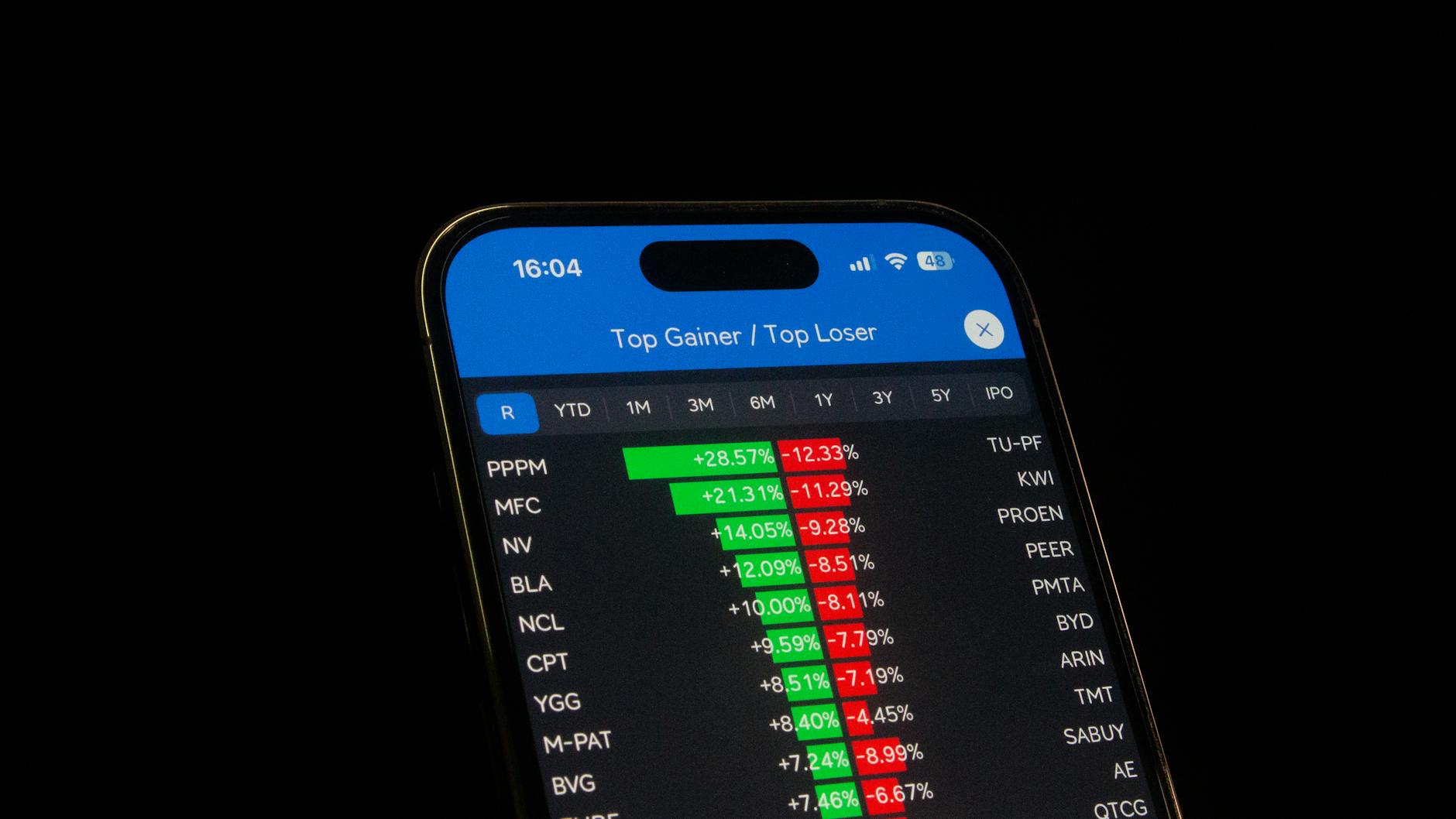
Figure Placeholder: Importance of Trading Technologies in Modern Financial Markets
The role of white label solutions extends beyond mere branding—these platforms often incorporate sophisticated features such as advanced charting tools, risk management modules, and automated trading functionalities. Additionally, they support multiple asset classes, including forex, commodities, indices, and cryptocurrencies, ensuring comprehensive trading environments for diverse client needs.
Key Aspects of Trading Technologies
High-speed order execution and low latency
Real-time market data feeds
Robust risk management and compliance modules
Multi-asset trading capabilities
Secure and scalable infrastructure
Commercially available trading platforms that employ white label solutions are not only flexible but also scalable, accommodating the growth of trading firms and adapting to evolving regulatory requirements. The seamless integration of these systems with existing back-office processes and CRM solutions ensures smooth operation and efficient client servicing.
For organizations aiming to establish or expand their trading presence, understanding the landscape of trading technologies and white label options is crucial. The following sections explore the specific types of white label trading solutions available, their features, and how they contribute to operational efficiency and market competitiveness.
Overview of Trading Technologies
Trading technologies serve as the backbone for modern financial enterprises, facilitating rapid execution, robust data management, and comprehensive risk mitigation. Their development and deployment are critical for brokers, proprietary trading firms, and institutional entities aiming to maintain a competitive edge in dynamic markets. Advanced trading systems integrate cutting-edge components such as high-frequency order processing, real-time market analytics, and multi-asset capabilities, all built within a scalable framework that adapts to increasing trading volumes and evolving regulatory landscapes.
Modern trading platforms leverage sophisticated algorithmic trading capabilities, facilitating automated order execution based on pre-set parameters, market conditions, and strategic triggers. They also incorporate secure connectivity protocols and data encryption standards to ensure the integrity and confidentiality of trading activities. These systems are designed to support multiple asset classes, including forex, derivatives, commodities, and digital currencies, offering a unified trading environment adaptable to various client profiles and market demands.
Key Components of Trading Technologies
High-speed execution engines: Minimize latency to ensure clients can capitalize on fleeting market opportunities.
Real-time data feeds: Deliver instantaneous market updates for accurate decision-making.
Automated trading modules: Enable algorithmic strategies and systematic trading approaches.
Risk and compliance tools: Incorporate real-time alerts, limits, and reporting to adhere to regulatory and internal standards.
Robust infrastructure: Deploy scalable, secure servers capable of handling large transaction volumes without performance degradation.
Advanced hardware setups support high-frequency trading operations
Embracing these technological solutions allows trading firms to optimize their operational efficiency, enhance client satisfaction through faster trade execution, and maintain compliance with industry standards. Additionally, seamless integration with back-office systems, customer relationship management (CRM), and reporting tools is fundamental for smooth operational workflows and strategic growth initiatives.
Importance of Continuous Innovation
As market conditions evolve and trading algorithms grow more complex, staying updated with the latest technological advancements becomes essential. Firms investing in future-proof solutions, including cloud-based platforms and AI-driven analytics, position themselves favorably for sustained success. The capability to customize and scale these systems according to specific organizational needs ensures they remain relevant and effective amidst changing technological trends and regulatory frameworks.
Overview of Trading Technologies
Trading technologies encompass a wide array of innovative tools and systems designed to optimize trading operations, enhance decision-making, and ensure seamless execution of transactions. These technologies include advanced trading platforms, algorithmic trading modules, real-time data feeds, risk management tools, and infrastructure solutions that support high-frequency trading (HFT). Their integration into trading environments transforms traditional approaches, enabling firms to respond rapidly to market changes and capitalize on fleeting opportunities.
Modern trading technologies are built on scalable, reliable, and secure architectures that accommodate large transaction volumes while maintaining minimal latency. These systems leverage cutting-edge hardware, such as low-latency servers and FPGA (Field Programmable Gate Array) setups, to support complex strategies, including high-frequency and quantitative trading. The importance of robust infrastructure cannot be overstated, as it ensures operational continuity during high-volatility periods and supports the execution of algorithm-based trades in milliseconds.
Particularly in today's fast-paced markets, the emphasis on technological innovation drives the adoption of real-time data analytics, machine learning, and artificial intelligence. These elements enable traders to spot market patterns, adjust strategies swiftly, and optimize trade outcomes. As markets evolve and the volume of data expands, continuous technological advancement remains essential for maintaining a competitive edge in trading activities.
State-of-the-art trading infrastructure that powers high-volume, low-latency transactions
Key Components of Trading Technologies
Real-Time Market Data Feeds: Provide up-to-the-second information essential for informed decision-making.
Algorithmic Trading Modules: Facilitate systematic, rule-based trading strategies that execute automatically based on pre-set criteria.
Risk Management Tools: Enable proactive monitoring, limit setting, and real-time alerts to manage exposure effectively.
Order Execution Systems: Ensure fast, accurate trade execution with minimal slippage.
Infrastructure and Hardware: Employ high-performance servers and network setups to support intense trading loads and reduce latency.
Investments in these technologies are complemented by ongoing research and development endeavors that adapt to swiftly changing market requirements. Innovations like cloud computing and AI-driven analytics are increasingly integrated to offer scalable, adaptable solutions tailored to different trading strategies and organizational sizes.
In summary, trading technologies serve as the backbone of contemporary trading firms, enabling them to operate efficiently, maintain compliance, and stay ahead in competitive environments. Their strategic deployment results in faster trade execution, improved risk control, and better client servicing, forming an indispensable part of a successful trading operation.
White Label Trading Platforms and Software
White label trading platforms offer a comprehensive solution for trading firms seeking a ready-made technological infrastructure that can be customized to reflect their unique branding and operational needs. These platforms typically provide end-to-end solutions encompassing trading engines, client portals, risk management tools, and back-office functionalities. Leveraging white label solutions allows firms to bypass the complexities of developing proprietary software from scratch, enabling a quicker market entry and reducing initial investment costs.
Designed to support multiple asset classes—including forex, CFDs, commodities, and indices—these platforms are built on advanced trading technologies that ensure high performance under demanding conditions. They employ robust APIs and integration capabilities, allowing seamless connection with liquidity providers, market data feeds, and third-party analytical tools. This integration capability ensures a unified trading environment that satisfies both the operational and strategic requirements of modern trading firms.
Customizable white label trading platforms enable firms to build branded environments with integrated analytical and risk management tools.
Furthermore, white label solutions emphasize scalability and flexibility, accommodating growth and evolving trader demands. Firms can customize interfaces, trading parameters, and user experiences, creating tailored solutions that appeal to specific client segments. Regular updates and ongoing technical support are vital components, helping firms stay current with the latest trading features and compliance standards.
In the context of technological advances, white label platforms increasingly incorporate cloud computing and artificial intelligence, enhancing their adaptability and predictive capabilities. This synergy offers traders superior real-time insights, automated decision-making, and improved risk mitigation. As an added advantage, the modular architecture of many white label platforms allows for incremental upgrades, minimizing disruptions during technological enhancements.
White Label Forex Solutions
Specifically tailored for the forex market, white label forex solutions provide access to the most current trading technologies, liquidity pools, and analytical tools. These solutions facilitate the rapid launch of branded forex brokerage services, equipped with advanced charting, order management, and risk controls. They include comprehensive backend systems for client management, KYC procedures, and compliance monitoring, ensuring operations adhere to regulatory requirements.
White label forex solutions support rapid deployment of branded forex brokerage platforms with integrated risk and compliance tools.
Their built-in risk management systems allow real-time monitoring and automatic intervention, which are essential for maintaining stability during volatile trading sessions. Integration with multiple liquidity providers enables tight spreads and swift execution, critical for competitive forex trading environments. As forex markets are highly sensitive to geopolitical and macroeconomic developments, these solutions often offer real-time news feeds and analytics to enhance trader decision-making.
Customizing these solutions includes branding, user interface design, and the integration of third-party analytical and charting tools. This flexibility ensures that brokers can differentiate their offerings, attract various trader profiles, and adapt swiftly to market changes. Technical support and ongoing updates are crucial to maintain the platform’s operational excellence and compliance adherence.
Investments in white label forex solutions generate significant efficiencies. They reduce time-to-market and operational costs while enhancing overall trading experience, thereby increasing client retention and satisfaction.
By leveraging these advanced technological solutions, trading firms can optimize their operational workflows, expand their product portfolios, and improve client engagement—all while focusing on strategy and growth initiatives rather than infrastructure development.
Technological Features and Compliance in White Label Trading Platforms
Modern white label trading platforms are designed with advanced technological features that support seamless trading experiences across multiple asset classes. Multi-asset support enables traders to diversify their portfolios within a single platform, covering forex, commodities, indices, cryptocurrencies, and stocks. This versatility attracts a broader trader demographic and provides opportunities for comprehensive portfolio management.
Application Programming Interfaces (APIs) are fundamental components, allowing integration with third-party systems, such as algorithmic trading tools, advanced charting software, and data feeds. APIs facilitate automation, streamline data exchange, and enable the development of custom functionalities tailored to specific client needs. Reliable API integration ensures scalability and flexibility, essential for evolving trading strategies and technological innovations.
Security is paramount in trading technologies. Platforms incorporate encryption protocols, multi-factor authentication, and regular vulnerability assessments to protect sensitive user data and financial transactions. Furthermore, robust security measures foster trader confidence and uphold the platform’s integrity. Secure login procedures and real-time monitoring of suspicious activities help in mitigating risks associated with cyber threats and unauthorized access.
High-level security features safeguard trading environments and client data.
Compliance with regulatory standards is an intrinsic aspect of trading platforms, especially those catering to international markets. Automated compliance tools assist brokers in adhering to Know Your Customer (KYC) and Anti-Money Laundering (AML) standards, providing scalable solutions that adapt to changing regulations. Real-time audit trails and transparent reporting functionalities help maintain operational transparency and accountability, critical for building trust among clients and regulatory bodies.
Integration and Customization Capabilities
White label solutions offer extensive integration capabilities to align the platform with specific operational requirements. Traders often demand advanced charting tools, custom indicators, and trading algorithms, all of which can be incorporated through API integrations or embedded components. Customizable user interfaces enable brokers to tailor the platform’s appearance, improving brand consistency and user experience.
Dashboard customization also allows for personalized layouts, tailored notifications, and specific data analytics dashboards, empowering traders with relevant information and intuitive controls. The ability to incorporate third-party analytical tools enhances trading decisions, providing users with real-time insights and specialized analytical resources.
Benefits and Cost-Effectiveness of Advanced Trading Technologies
Implementing cutting-edge trading technologies through white label platforms results in significant operational efficiencies. These solutions reduce the time and financial resources necessary for platform development, allowing firms to launch their services more rapidly. The use of pre-built, feature-rich platforms minimizes infrastructure costs and reduces the need for extensive in-house technical expertise.
Cost savings extend to maintenance and updates, as vendor-supported platforms regularly incorporate new features and security enhancements, ensuring ongoing compliance and competitive advantages. Additionally, the integration of multiple liquidity providers and risk management features enhances trading conditions, leading to better execution speed and tighter spreads — advantages that are directly reflected in client satisfaction and retention.
Future Trends in Trading Technologies
The evolution of trading technologies continues to focus on increased automation, artificial intelligence (AI), and machine learning (ML) integrations. These advancements enable predictive analytics, personalized trading experiences, and enhanced risk modeling, delivering smarter and more adaptive trading platforms. Additionally, the rise of blockchain technology and decentralized finance (DeFi) is influencing liquidity pools and settlement processes, paving the way for more transparent and efficient trading ecosystems.
Mobile trading solutions are also becoming increasingly sophisticated, providing traders with seamless, secure access to markets from any device. As technology advances, emphasis on heightened security measures, such as biometric authentication and end-to-end encryption, will become even more critical for safeguarding trading environments.
Emerging technological trends are shaping the future of trading platforms.
Overview of Trading Technologies
Trading technologies encompass a broad spectrum of software, hardware, and systems designed to facilitate efficient, reliable, and secure execution of trades across various financial markets. These technologies include advanced trading platforms, real-time market data feeds, algorithmic trading systems, risk management tools, and connectivity infrastructures. Their development has been driven by the need for speed, accuracy, and transparency in trading environments, supporting traders ranging from individual retail investors to large institutional firms. High-frequency trading, market making, and quantitative strategies rely extensively on cutting-edge trading technologies to gain competitive edges in volatile markets.
Modern trading infrastructure powering global markets
With technological evolution, trading systems now integrate machine learning, artificial intelligence, and big data analytics, enhancing predictive capabilities and decision-making accuracy. Cloud computing also plays a pivotal role, offering scalable solutions that reduce latency and improve data management. As markets become increasingly interconnected and complex, trading technologies remain at the forefront of facilitating seamless operations, ensuring traders and firms can adapt swiftly to changing conditions.
White Label Trading Platforms and Software
White label trading platforms provide a ready-made, customizable solution for firms aiming to launch their own trading operations without the need to develop technology from scratch. These platforms typically include core functionalities such as multi-asset trading, account management, and client dashboard interfaces, which can be tailored to brand identity and specific operational needs. Utilizing established white label solutions helps reduce development costs, accelerate time-to-market, and leverage proven security protocols and infrastructure.
Customizable white label trading software enabling quick deployment
Many white label vendors offer comprehensive support, including technical maintenance, platform updates, and integration services, ensuring continuous compliance with trading standards and security measures. Firms can also benefit from integration with third-party tools such as payment processors, CRM systems, and risk management modules, providing a cohesive trading experience for clients. This approach simplifies operational management while delivering robust, scalable technology tailored to market demands.
Advantages of White Label Trading Solutions
Rapid deployment and brand customization
Reduced development and operational costs
Access to advanced trading features without extensive in-house resources
Ongoing platform support and updates from original developers
Ability to integrate with various liquidity providers and analytical tools
White Label Forex Solutions
Forex trading, characterized by high volatility and leverage, requires specialized technological infrastructure to ensure precise execution and risk control. White label forex solutions offer firms a platform tailored specifically for foreign exchange markets, featuring real-time pricing, interbank liquidity integration, and automated order execution. These solutions typically support multiple currency pairs, advanced charting tools, and customizable trading conditions.
Forex-specific white label solutions for seamless currency trading
Integration with multiple liquidity providers is critical to offer tight spreads and deep liquidity pools, which are essential for competitive forex trading. Additionally, comprehensive risk management tools allow firms to monitor exposure levels, set alerts, and implement stop-loss and take-profit strategies. Security features such as data encryption and secure login processes are standard, safeguarding trader information and transaction integrity.
Key Benefits of White Label Forex Solutions
Market-specific functionalities tailored for forex trading
Licensing and regulatory compliance support
Fast setup with minimal technical overhead
Ability to customize trading interface and conditions
Integration with various liquidity sources for optimal spreads
White Label Prop Firm and Prop Trading Solutions
Proprietary trading firms—often known as prop firms—rely heavily on sophisticated technological infrastructure to execute large volume trades effectively. White label prop trading solutions enable these firms to deploy customized trading platforms that cater to their unique strategies, risk parameters, and client onboarding processes. These platforms typically encompass advanced order management, real-time analytics, and automated risk controls.
Integration with multiple liquidity providers ensures that prop firms can access competitive pricing and deep market depths, which are vital for executing large trades without significant slippage. Automated risk management systems monitor trader exposure continuously, ensuring adherence to strict limits. The ability to customize user interfaces and develop proprietary algorithms further empowers firms to refine their operational efficiency and trading outcomes.
Features of Effective White Label Prop Trading Platforms
Customizable trading strategies and algorithms
Robust risk management and compliance tools
High-speed data processing and execution
Integration with multiple liquidity channels
User-friendly interfaces for traders and administrators
Technological Features and Compliance
Trade execution speed, reliability, and security are fundamental to successful trading technology deployments. Platforms often incorporate advanced connectivity protocols such as FIX (Financial Information Exchange) standards, ensuring rapid and accurate transmission of orders. Multi-layered security measures—including biometric authentication, encryption, and continuous monitoring—are crucial in protecting sensitive data and transactional integrity.
Security and compliance features integrated into trading platforms
Modern trading platforms are designed with compliance in mind, incorporating features to manage anti-money laundering (AML) protocols, know-your-customer (KYC) procedures, and transaction audits. They support regulatory reporting requirements, with customizable modules that adapt to different jurisdictions, ensuring firms can operate seamlessly across markets with varying standards.
Real-time monitoring and detection systems
Secure data encryption and biometric login
Automatic compliance reporting tools
Integration with regulatory bodies’ databases
Customizable user access controls and permissions
Overview of Trading Technologies
Trading technologies are the backbone of modern financial markets, enabling rapid, accurate, and secure execution of trades across various asset classes. Advanced platforms incorporate features such as high-frequency data processing, real-time analytics, and automated trading algorithms, making them indispensable tools for traders and firms seeking optimal market performance. These systems are designed to deliver reliability, scalability, and integration capabilities that meet the demanding needs of today’s trading environment. As technology continues to evolve, trading platforms are increasingly adopting innovations like cloud computing, artificial intelligence, and machine learning to enhance decision-making, risk management, and operational efficiency.
Modern trading platforms integrate cutting-edge technologies for seamless market operations
White Label Trading Platforms and Software
White label trading platforms allow firms to resell or rebrand existing trading technology under their own brand, providing a fully operational trading environment without the need for extensive in-house development. These solutions typically include comprehensive trading modules, client interfaces, risk management tools, and back-office support, all customizable to align with the firm’s branding and operational requirements. Leveraging established white label solutions accelerates time-to-market, reduces initial investment, and offers a reliable foundation supported by ongoing updates and technical support.
White label trading platforms provide customizable solutions tailored to specific business needs
White Label Forex Solutions
Specialized white label solutions for forex trading cater to firms aiming to enter or expand within the foreign exchange market. These platforms integrate with liquidity providers, support multi-currency operations, and include features such as pricing engines, one-click trading, and real-time market data feeds. Forex-specific white label systems often come with built-in regulatory compliance modules, risk controls, and client management tools, ensuring a seamless and compliant trading experience for both brokers and their clients.
Forex-focused white label platforms streamline market access and client management
White Label Prop Firm and Prop Trading Solutions
Proprietary trading firms (prop firms) benefit from white label solutions that enable quick setup of trading infrastructure, including customized platforms, risk parameters, and trading algorithms. These platforms support both retail and institutional trader environments, with features like advanced order types, algorithmic trading capabilities, and comprehensive risk monitoring systems. Deploying white label propositions allows prop firms to efficiently scale operations, expand their trading volume, and implement innovative trading strategies without the lengthy and costly process of developing technology from scratch.
White label solutions empower prop trading firms with scalable, customizable platforms
Technological Features and Compliance
Modern trading platforms emphasize speed, stability, and data security through sophisticated connectivity protocols such as FIX and Fast Healthcare Interoperability Resources (FHIR). These systems incorporate encryption technologies, multi-factor authentication, and real-time threat detection to safeguard sensitive information. Integration of compliance features—such as transaction reporting, AML procedures, KYC verification, and audit trails—is essential for maintaining operational standards across diverse regulatory environments. Automated compliance monitoring tools enable firms to adhere to evolving standards efficiently, reducing operational risks and enhancing market trust.
Advanced security and compliance integration elements ensure integrity and adherence to regulations
Integration and Customization Capabilities
Seamless integration with existing systems and liquidity providers is fundamental to creating a robust trading infrastructure. White label platforms typically support APIs, FIX protocol, and SDKs, facilitating customization to meet specific operational workflows and strategic objectives. Customization extends beyond aesthetics, encompassing order types, risk management protocols, data feeds, and automated trading algorithms. This flexibility empowers firms to craft tailored trading environments that align with their business models, target markets, and compliance requirements. Additionally, integration with CRM systems and back-office tools streamlines client onboarding, reporting, and settlement processes, resulting in heightened operational efficiency and a superior user experience.
Future Trends in Trading Technologies
As the landscape of trading continues to evolve rapidly, innovative technological advancements are shaping the future of white label trading platforms. These developments are driven by increasing demands for efficiency, precision, and adaptability, enabling trading firms to stay ahead in highly competitive markets. Among the most influential trends are automation, sophisticated analytics, and artificial intelligence integration, which collectively redefine operational capabilities and strategic decision-making.
Automation and Algorithmic Trading Enhancements
Automation remains at the forefront of modern trading technologies. Enhanced algorithmic trading systems allow firms to execute high-frequency trades with minimal latency, optimizing opportunities within volatile markets. The integration of automation tools supports dynamic order execution, risk management, and portfolio rebalancing, reducing human error and operational costs. Modern platforms are increasingly equipped with customizable automation sequences, enabling traders to design complex strategies that adapt in real-time to market fluctuations.
Advanced automation features in white label trading platforms boost efficiency and precision
Advanced Data Analytics and Visualization
Data-driven decision-making is integral to contemporary trading. Future platforms are expected to incorporate advanced analytics to provide traders with actionable insights. These include real-time market analysis, predictive modeling, and sentiment analysis utilizing vast datasets. Visual analytics dashboards will offer comprehensive overviews of trading performance, risk exposure, and market conditions, enhancing strategic planning and timely responses. The ability to customize analytical tools ensures that firms can tailor insights to specific asset classes, client needs, and market segments.
Artificial Intelligence and Machine Learning Integration
The integration of AI and machine learning technologies is transforming the capabilities of white label trading platforms. These systems facilitate pattern recognition in market data, enabling predictive analytics and adaptive trading algorithms. AI-driven chatbots and customer service tools streamline client interactions, providing personalized support 24/7. Additionally, AI can optimize liquidity management, detect anomalies, and enhance cybersecurity measures, ensuring robust operational integrity. As AI technology matures, platforms will increasingly leverage deep learning models to refine trading strategies and risk assessments dynamically.
Enhanced Security Protocols and Regulation-Adaptive Features
Security remains a critical focus, with future trading technologies incorporating cutting-edge encryption and multi-layer authentication systems. Adaptive compliance modules will automatically adjust to regulatory changes across jurisdictions, simplifying legal adherence for trading firms. Blockchain technology may further be integrated to ensure transparent, tamper-proof transaction records, fostering trust among clients and regulators. These security and compliance innovations will be pivotal in maintaining operational resilience and reputation in an increasingly interconnected trading ecosystem.
Integration of Cloud Computing and Scalability Solutions
Cloud infrastructure offers scalable, flexible solutions for white label platforms, allowing firms to expand capacity quickly and cost-effectively. Future technologies will emphasize seamless integration with cloud services, supporting real-time data processing, backup, and disaster recovery. This approach enhances system availability and performance, accommodating a growing client base without compromising speed or stability. Cloud-enabled platforms also facilitate remote access and collaboration, broadening the reach of trading services across geographic regions.
Conclusion
Advancements in trading technologies are paving the way for more intelligent, secure, and adaptable white label trading environments. Firms that leverage automation, AI, and analytics will be better poised to navigate complex markets, tailor client experiences, and comply with evolving regulations. Embracing these future trends enables trading companies to maintain competitive advantages, optimize operational efficiency, and deliver innovative solutions in a rapidly transforming industry landscape.