
Overview of White Label Trading Software
White label trading software represents a comprehensive, customizable platform that allows businesses to offer trading services under their own brand identity. These platforms are designed to streamline operations by providing a ready-made infrastructure for forex, stocks, commodities, or cryptocurrency trading. Through white label solutions, companies can launch their trading portals swiftly, eliminating the need for extensive development, while focusing on customer acquisition and brand growth. This approach enables firms to present a professional, fully functional trading environment that includes user interfaces, account management tools, analytics, and trading execution capabilities. The modular nature of white label platforms allows firms to adapt the software to their specific market niche, target audience, and service offerings, ensuring a unique user experience while relying on a proven technological foundation.

Beyond just aesthetics, white label trading solutions provide robust back-end systems that handle order processing, risk management, and compliance features necessary for secure operations. These platforms often include multi-asset support, sophisticated charting tools, and real-time data feeds, which are crucial for traders to execute informed decisions. By leveraging white label technology, businesses can enter the trading industry with reduced time to market and lower upfront costs, while maintaining control over branding, customer support, and user experience. Such solutions bridge the gap between technological complexity and operational efficiency, enabling a scalable expansion as the business grows.

Core Features of White Label Trading Platforms
White label trading software offers a comprehensive suite of functionalities tailored to meet the demands of modern trading businesses. Central to these platforms are several core features that ensure operational efficiency, trader satisfaction, and seamless management. Understanding these features aids in selecting the ideal solution that aligns with a firm's strategic objectives.
One of the most vital aspects is multi-asset support, allowing traders to access a wide range of financial instruments such as forex, commodities, indices, stocks, and cryptocurrencies within a unified platform. This versatility broadens the scope of trading activities and caters to diverse client preferences. Additionally, platforms often provide advanced charting and technical analysis tools, empowering traders to make data-driven decisions with real-time market insights.
Customer account management is another integral feature, encompassing functionalities like account creation, deposit and withdrawal processing, and comprehensive reporting. These tools facilitate smooth client onboarding and ongoing account oversight, fostering trust and engagement. Risk management modules, including margin controls, stop-loss orders, and exposure limits, are embedded within the platform to uphold prudent trading practices and minimize potential losses.

Trade execution efficiency is optimized through algorithmic trading capabilities and support for various order types, such as market, limit, and stop orders. Integration with real-time market data feeds and news services ensures traders are informed, enabling more accurate decision-making. Platforms also emphasize security features, including encryption protocols and two-factor authentication, to safeguard user data and financial transactions.
Furthermore, customization options are plentiful, enabling firms to tailor interfaces, branding, and user journeys. This flexibility not only enhances the user experience but also bolsters brand recognition. Reporting and analytics tools provide detailed insights into trading activity, aiding firms in refining their offerings and strategies over time.
Incorporating these core features into a white label solution simplifies the complexities of running a trading operation, providing a robust foundation that can be scaled and adapted according to evolving market trends and client demands. As technology advances, these platforms continue to integrate more sophisticated automation, AI-driven analytics, and API connectivity, ensuring they remain at the forefront of the trading industry.
Overview of White Label Trading Software
White label trading software provides financial institutions, trading firms, and entrepreneurs with a comprehensive platform that can be rebranded and customized to meet their specific needs. These platforms are designed to streamline the trading process across various asset classes including forex, cryptocurrencies, stocks, and commodities. They offer a ready-made infrastructure, allowing firms to launch their own trading operations rapidly without the need to develop software from scratch. By leveraging these solutions, businesses can focus on client acquisition and strategic growth while relying on robust, tested technology.
Central to the appeal of white label trading software is its flexibility. Each platform can be tailored in terms of branding, user interface, and functionality, aligning with the company's branding guidelines and operational preferences. Such adaptability ensures a seamless user experience that reinforces brand identity. Additionally, these solutions typically include integrated risk management tools, advanced trade execution capabilities, and comprehensive reporting features, helping firms monitor and optimize their trading activities efficiently.
Implementing white label solutions also involves leveraging cutting-edge technology such as API integrations, automated trading modules, and AI-driven analytics. This ensures that the platform remains competitive by offering clients innovative trading tools and features that enhance decision-making and automate routine tasks. With continued advancements in technology, white label platforms are increasingly capable of supporting complex order types, multi-asset trading, and real-time market data feeds, providing a comprehensive environment suitable for professional traders and retail clients alike.

Core Features of White Label Trading Platforms
White label trading platforms are equipped with a suite of essential features designed to facilitate smooth and efficient trading operations. These features include real-time data feeds, multiple order types—such as market, limit, and stop orders—and integrated risk management modules. Advanced functionalities like algorithmic trading support and automated trade execution enhance efficiency, especially for high-frequency traders and institutional clients.
Security remains paramount in trading environments. Most platforms incorporate encryption protocols, two-factor authentication, and other advanced security measures to protect sensitive client data and ensure the integrity of transactions. Flexibility in customization allows firms to modify interfaces, trading workflows, and client onboarding processes, creating a tailored environment that meets both regulatory standards and customer preferences.
Reporting and analytics tools form a vital part of these platforms, providing insights into trading activities, user behavior, and platform performance. These data-driven insights assist firms in refining their strategies and improving their offerings over time. Additionally, seamless integration with third-party services such as market news, economic calendars, and payment gateways further enhances the platform’s usability and functionality.

Types of White Label Trading Solutions
The landscape of white label trading solutions is diverse, catering to various markets and asset classes. Forex trading platforms are among the most prevalent, offering extensive currency pair selections, leverage options, and advanced charting tools. Cryptocurrency trading solutions have gained popularity owing to the rise of digital assets, providing features that support real-time crypto trading with secure wallet integrations.
Stock trading platforms adapted for margin trading, options, and futures enable stockbrokers and investment firms to offer a comprehensive suite of equity trading services. Additionally, multi-asset platforms combine various instruments within a single environment, allowing traders to diversify their portfolios and access multiple markets seamlessly.
Each type of platform is optimized to meet the particular needs of its target audience, whether that involves high-frequency forex trading, long-term investment strategies, or digital asset management. The modular nature of many white label solutions allows firms to select and customize features appropriate for their niche, ensuring a tailored fit for their operational goals.
Overview of White Label Trading Software
White label trading software serves as a comprehensive solution that allows financial service providers to establish their own branded trading platforms without developing the underlying technology from scratch. This approach accelerates market entry, reduces operational complexities, and offers a customizable environment tailored to specific client needs. The core idea involves licensing proprietary trading platform software to firms, which then rebrand and customize the platform to reflect their identity and service offerings. Such solutions enable rapid deployment across diverse markets, including forex, stocks, commodities, and cryptocurrencies, making them versatile tools in the competitive landscape of financial trading.

Core Features of White Label Trading Platforms
- Branding and Customization: Fully customizable interfaces and branding options, including logos, color schemes, and user interface layouts, ensure the platform aligns with the company's visual identity.
- Multi-Asset Trading: Support for a wide range of financial instruments, enabling firms to cater to diverse client portfolios.
- Risk Management Tools: Advanced tools for margin control, stop-loss, take-profit orders, and client account management to maintain trading discipline and manage exposure effectively.
- Order Execution and Liquidity: High-speed order processing capabilities with integration to liquidity providers for optimal trade execution and minimal slippage.
- Trade Analytics and Reporting: Comprehensive dashboards and detailed reports that provide insights into client activity, trading patterns, and platform performance.
- Security Protocols: Robust encryption, multi-factor authentication, and anti-fraud measures protect sensitive data and ensure operational integrity.
- Client Management Panels: User-friendly interfaces for onboarding, account management, and customer support functionalities.
- Regulatory Compliance Modules: Built-in tools to adhere to regional legal standards, including KYC and AML processes.
Types of White Label Trading Solutions
The landscape of white label trading solutions is diverse, catering to various markets and asset classes. Forex trading platforms are among the most prevalent, offering extensive currency pair selections, leverage options, and advanced charting tools. Cryptocurrency trading solutions have gained popularity owing to the rise of digital assets, providing features that support real-time crypto trading with secure wallet integrations.
Stock trading platforms adapted for margin trading, options, and futures enable stockbrokers and investment firms to offer a comprehensive suite of equity trading services. Additionally, multi-asset platforms combine various instruments within a single environment, allowing traders to diversify their portfolios and access multiple markets seamlessly.
Each type of platform is optimized to meet the particular needs of its target audience, whether that involves high-frequency forex trading, long-term investment strategies, or digital asset management. The modular nature of many white label solutions allows firms to select and customize features appropriate for their niche, ensuring a tailored fit for their operational goals.

Overview of White Label Trading Software
White label trading software refers to ready-made trading platforms developed by specialized providers that can be rebranded and customized to meet the specific needs of financial institutions, proprietary trading firms, and brokerage companies. These solutions enable firms to quickly deploy a fully functional trading environment without the need for extensive in-house development, reducing time-to-market and operational costs. The flexibility of white label trading software allows firms to offer tailored trading experiences across various asset classes, including forex, cryptocurrencies, stocks, and derivatives, while maintaining control over branding and customer interaction.

White label solutions are distinguished by their ability to seamlessly integrate into existing operational structures, providing a range of features from user management and risk controls to real-time analytics and reporting tools. Their modular design makes it possible to add or remove functionalities based on specific business requirements, which is essential for firms aiming to differentiate themselves in competitive markets. Moreover, these platforms are designed to ensure reliable performance and scalability, accommodating increasing client demand and expanding asset offerings.
Core Features of White Label Trading Platforms
The core features of white label trading platforms are geared toward delivering comprehensive trading experiences while ensuring ease of use, security, and compliance. These include:
- Customizable User Interface: Brands can tailor the aesthetic and layout to match their identity, making the trading environment familiar and engaging for clients.
- Multi-Asset Support: Enables trading across different financial instruments, such as forex, CFDs, cryptocurrencies, and equities, within a unified platform.
- Trade Execution and Order Management: Fast and reliable order processing with advanced order types, including stop-loss, take-profit, and pending orders.
- Risk Management Tools: Features like margin control, position limits, and automated risk assessments help manage trader exposure effectively.
- Account and Portfolio Management: Robust tools for onboarding, account verification, deposits, withdrawals, and performance tracking.
- Integration Capabilities: Compatibility with popular liquidity providers, market data feeds, and backend systems to ensure smooth operation.
- Security and Compliance Features: Strong encryption, KYC procedures, AML monitoring, and audit trails are essential to uphold regulatory standards and protect client data.

Types of White Label Trading Solutions
The landscape of white label trading solutions is diverse, catering to various markets and asset classes:
- Forex Trading Platforms: These are the most common, offering extensive currency pairs, leverage options, and sophisticated charting tools.
- Cryptocurrency Trading Platforms: Designed to facilitate digital asset trading with real-time price updates, secure wallet integrations, and advanced charting tailored for volatile markets.
- Stock and Equity Platforms: Suitable for firms focusing on equity markets, offering features like margin trading, options, and futures, supporting comprehensive investment strategies.
- Multi-Asset Platforms: Combine multiple financial instruments within a single environment, delivering flexibility for diversified trading portfolios.
Each solution type is optimized for specific application niches and can be further customized to align with unique business models. This modular approach allows firms to adapt quickly to evolving market demands and regulatory landscapes, providing a strategic advantage in highly competitive environments.
Integration with Prop Firms and Forex Brokers
White label trading software can seamlessly integrate with proprietary trading firms and forex brokers, enhancing operational efficiency and client service capabilities. By connecting directly with liquidity providers, firms can offer competitive spreads and instant trade execution. Integration also supports comprehensive client management through advanced CRM systems and risk control modules, streamlining onboarding, compliance checks, and portfolio oversight. The ability to automate back-office processes reduces manual overhead and minimizes errors, enabling professional traders and client services teams to focus on strategic growth and customer satisfaction.
Legal Compliance and Regulatory Considerations
Implementing white label trading software within a regulated environment demands meticulous attention to adherence to established standards. While the technology itself offers robust trading functionalities, ensuring that the platform aligns with applicable rules and guidelines is paramount for sustained operation and reputation management. This involves integrating compliance tools directly into the software, which facilitate adherence to transparent reporting, client verification processes, and transaction monitoring. Regular updates to compliance protocols are essential to reflect evolving market regulations and practices.
For firms utilizing white label solutions, establishing clear protocols for Know Your Customer (KYC) procedures, Anti-Money Laundering (AML) checks, and transaction auditing within the platform helps maintain integrity. Many providers incorporate automated compliance modules that generate detailed audit trails, flag suspicious activity, and facilitate regulatory filings. These features streamline the oversight process, reducing manual workload and ensuring that the platform aligns seamlessly with legal expectations.
It is also critical for firms to consider jurisdiction-specific requirements, as trading regulations can vary significantly across regions. Customizable compliance settings within white label platforms enable firms to tailor their operations according to local laws, thereby minimizing potential conflicts and fostering client trust.
Overall, integrating comprehensive legal compliance features into white label trading software enhances operational credibility. It supports transparent trading practices, safeguards client assets, and ensures the platform's functionality remains compliant with industry standards. Partnering with a provider experienced in regulatory compliance ensures that the platform not only delivers sophisticated trading capabilities but also operates within the necessary legal frameworks to sustain long-term business growth.
Overview of White Label Trading Software
White label trading software serves as a customizable platform that allows financial institutions, brokers, and trading firms to brand and operate under their own name while leveraging the technological infrastructure of an established software provider. By opting for this solution, businesses can significantly reduce the development time and costs associated with building a proprietary trading system from scratch. Instead, they access a ready-made, scalable, and reliable trading environment that includes cutting-edge tools for order execution, risk management, account management, and reporting.
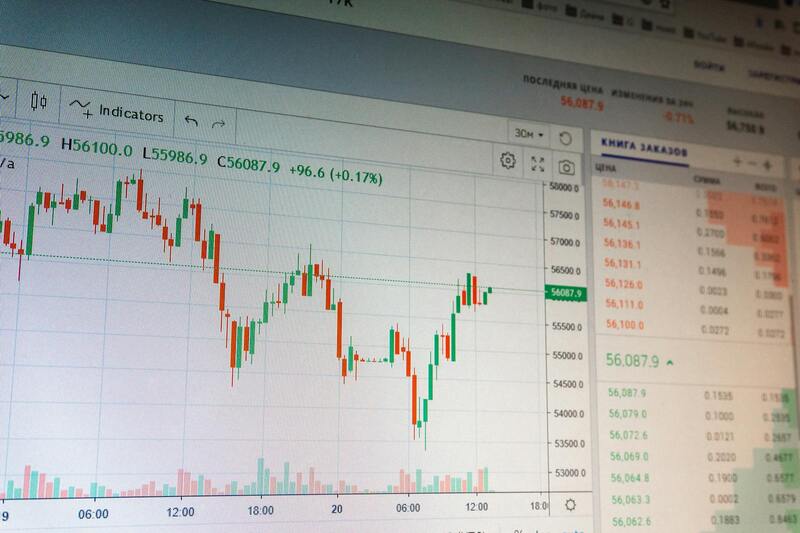
White label trading platforms typically integrate various asset classes such as forex, commodities, indices, stocks, and cryptocurrencies. They are designed with modular components, allowing clients to select and customize features according to their operational needs. An essential advantage is the colocation of the platform within the provider’s infrastructure, which ensures high-speed execution and minimal latency, critical for traders aiming to maximize efficiency.
Core Features of White Label Trading Platforms
- Multi-Asset Trading: Access to diverse markets through a single interface.
- Advanced Charting Tools: Real-time data visualization for technical analysis.
- Order Management System: Multiple order types, automated trading, and risk controls.
- Customer Management: CRM integration, client onboarding, and account segmentation.
- Reporting and Analytics: Comprehensive dashboards and performance tracking.
- Security Features: Robust encryption, user authentication, and data protection protocols.
Types of White Label Trading Solutions
- Turnkey Solutions: Complete packages that include software, branding, and support, ideal for quick deployment.
- White Label LMS (Learning Management System): Platforms tailored for educational purposes, often combined with demo trading accounts.
- API-Based Platforms: Solutions that offer API integrations allowing firms to customize trading interfaces and functionalities extensively.

Benefits of Using White Label Trading Software
Leveraging white label trading software provides numerous operational advantages for firms seeking to expand or enhance their trading offerings. These benefits include rapid market entry, cost-effective deployment, and the ability to offer a seamless brand experience to clients. Additionally, since these platforms are built on mature and tested technology, firms gain access to innovative features without the need for extensive in-house development.
Furthermore, white label solutions support scalability and flexibility, allowing businesses to adjust their services as client demands evolve. The embedded risk management tools facilitate prudent trading practices, reducing potential losses and enhancing overall platform stability. By using an established provider, firms also benefit from ongoing updates, technical support, and compliance enhancements that keep the platform aligned with current industry standards.
Integration with Prop Firms and Forex Brokers
White label trading software can be seamlessly integrated with proprietary trading firms and forex brokerages, creating synergistic environments where technology and trading expertise combine. For prop firms, this integration enables efficient deployment of trading strategies, order execution, and risk monitoring, all within a branded platform that appeals to their trader base.
Forex brokers benefit from customizable interfaces that can be adapted for different client segments, including retail, institutional, or high-net-worth individuals. The platform’s ability to support multiple trading accounts, complex order types, and segmented client management facilitates personalized trading experiences. Moreover, integration with CRM systems and back-office infrastructures streamlines operations and enhances client support processes.
Choosing a White Label Trading Provider
Selecting the right provider involves assessing their technological expertise, compliance adherence, and support infrastructure. Firms should evaluate the provider's track record in delivering stable, secure, and scalable platforms. Transparent customization options, flexible licensing models, and comprehensive training resources are crucial factors in making an informed choice. Additionally, ongoing technical support, regular platform updates, and compliance management ensure the long-term success of the trading operation.
Ensuring Regulatory Compliance and Operational Integrity
Implementing white label trading software requires careful attention to regulatory frameworks and operational standards that govern trading activities. While the focus remains on utilizing reputable and established providers, understanding how these platforms adhere to industry best practices and standards is essential for maintaining operational integrity. Many white label solutions are developed with built-in features that facilitate compliance, including detailed audit trails, client verification processes, and rigorous risk management tools.
Advanced platforms incorporate comprehensive reporting functionalities, enabling firms to generate detailed transaction logs and compliance reports. These features aid in monitoring trading activities, detecting irregularities, and ensuring adherence to operational policies. Additionally, security protocols such as two-factor authentication, encrypted data transmission, and user activity monitoring are integrated to protect sensitive client information and transactional data, aligning with industry-leading standards.
Operational management is further supported through customizable settings that allow firms to establish clear trading limits, margin requirements, and risk controls. These configurations help prevent unauthorized trading activities and mitigate potential financial losses. Moreover, the capacity for real-time alerts and automated risk assessments enhances the platform's ability to respond swiftly to market movements or irregular trading patterns, safeguarding both the firm and its clients.

Partnering with Providers that Prioritize Compliance
- Choose providers with transparent compliance standards and ongoing regulatory updates.
- Ensure the platform supports detailed audit trails and reporting for internal review and audits.
- Implement strong security measures, such as encryption and multi-factor authentication, to protect client data and transactional security.
- Utilize customizable risk management tools to enforce trading limits and protect assets.
- Leverage real-time monitoring and automated alerts to identify and respond to suspicious activities swiftly.
Maintaining Commitment to Ethical Trading Practices
Ultimately, the success of a white label trading operation hinges on a firm commitment to ethical and compliant trading. This involves regular audits, staff training on compliance procedures, and maintaining transparent communication with clients regarding platform features and operational policies. By prioritizing these elements, firms can foster trust, ensure smooth operational workflows, and uphold the integrity of their trading environments, all while leveraging the advanced capabilities offered by their white label solutions.