
Powering the Next
Generation of Prop Firms
Your comprehensive resource for white label prop trading platforms, MT4/MT5 solutions, and forex technology. Over 43+ expert guides to help you build your trading business.
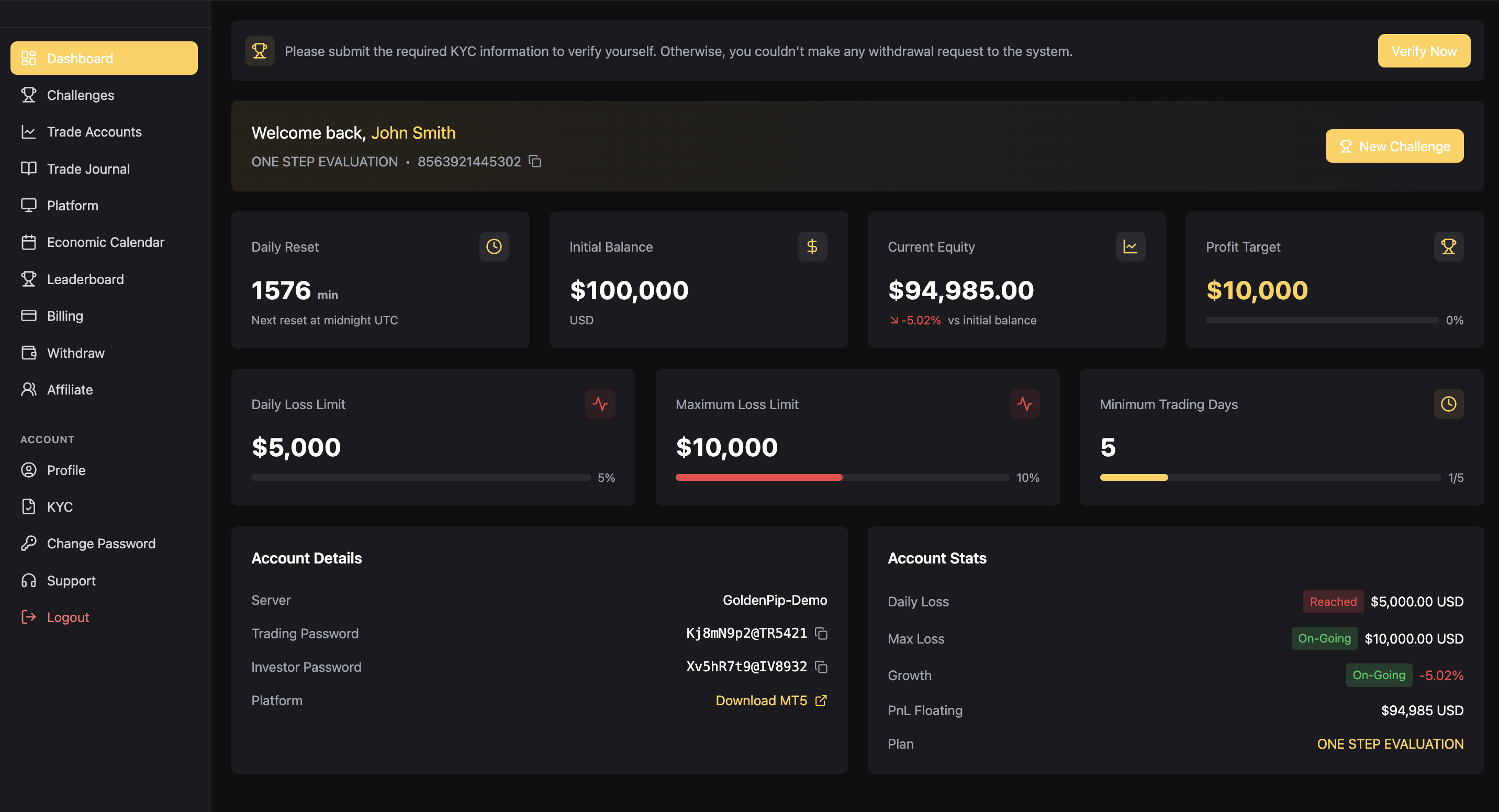
Our Services
We provide expert resources for prop firm solutions. Browse our comprehensive guides by trading technology topic.
White Label Platforms
In-depth guides on MT4/MT5 white label solutions, licensing costs, and platform customization for prop firms and brokers.
Prop Firm Technology
Comprehensive coverage of proprietary trading technology, evaluation systems, challenge structures, and risk management tools.
Risk Management
Expert analysis of trader risk management systems, drawdown models, and compliance frameworks for prop trading operations.
Forex Solutions
Detailed comparisons of forex brokerage models, liquidity providers, and turnkey forex solutions for new and existing businesses.
Trading Infrastructure
Analysis of trading infrastructure requirements including servers, connectivity, bridge solutions, and performance optimization.
Trader Acquisition
Strategic guides on attracting and retaining traders, challenge marketing, affiliate programs, and community building for prop firms.
Your Journey to Success
Follow our proven roadmap to build and scale your proprietary trading firm
Choose Your Platform
Research and select the right white label trading platform — MT4, MT5, or proprietary solution that fits your business model.
Structure Your Firm
Design your challenge structure, funding model, profit splits, and evaluation criteria to attract serious traders.
Implement Risk Controls
Set up robust risk management systems including drawdown limits, position sizing rules, and automated monitoring tools.
Launch Operations
Go live with your trading infrastructure, payment processing, KYC/AML compliance, and customer support systems.
Scale & Expand
Grow your trader base, expand to new markets, diversify asset classes, and optimize your prop firm's profitability.
Explore All Topics
Browse all 43+ expert articles across 9 topic areas in our comprehensive knowledge base.
Why White Label Prop Firm
We are the most comprehensive resource for prop firm technology, trader support, and risk management — in one place.
Expert Knowledge Base
Access over 43+ in-depth articles written by industry experts covering every aspect of white label prop firm operations, platform selection, and business growth.
Advanced Trading Insights
Built by industry experts, our technology-focused content covers platform architecture, trading infrastructure, challenge management, and automation tools for prop firms.
Seamless Payout & Challenge Management
Effectively manage trader challenges, structure payouts, and automate key processes with our guides on the best prop firm management tools available.
Browse Solution Categories
Explore our comprehensive knowledge base organized by topic
Your Prop Firm. Our Knowledge.
Unlimited Potential.
Seamlessly launch, manage, and grow your proprietary trading business with White Label Prop Firm's industry-leading resources and guides.
White Label Trading Platforms:
The Complete Guide
Everything you need to know about white label prop trading solutions — from core features and integration options to legal compliance and scaling your business.
Overview of White Label Trading Platforms
White label trading platforms have become integral to the modern trading ecosystem, offering a streamlined solution for entrepreneurs and financial service providers aiming to establish or expand their trading operations. These platforms are pre-built trading software solutions that can be rebranded and customized, facilitating a quick entry into the competitive trading industry without the need for extensive infrastructure development from scratch.
The primary purpose of a white label trading platform is to provide a comprehensive environment where traders can execute various financial instruments, including forex, commodities, indices, and cryptocurrencies. They serve as a ready-made, operational trading environment that includes core functionalities such as real-time price feeds, order execution capabilities, advanced charting tools, risk management features, and client account management systems.

At the heart of these solutions lie several key components: a powerful Trading Engine that processes all orders and ensures swift execution, an intuitive Client Portal for market analysis and account management, CRM Integration for client onboarding, Risk Management Tools such as stop-loss and take-profit controls, secure Payment Processing integrations, and robust Compliance and Security Measures.
By offering these components in a cohesive package, white label trading solutions enable entrepreneurs to launch their own trading brands efficiently. They are particularly valued for their scalability, flexibility, and ability to be tailored to specific market niches, making them a compelling choice for new entrants and established firms seeking brand differentiation in a dynamic marketplace.
White label platforms encompass a broad spectrum of asset classes including forex, stocks, cryptocurrencies, commodities, and indices — providing traders with diverse opportunities within a single ecosystem.
Such platforms also include comprehensive back-office tools, risk management systems, and customer relationship management features that streamline operational workflows. Many white label providers also include integration options for payment processing, real-time data feeds, and third-party tools, ensuring the platform remains competitive and adaptable to evolving market demands. Overall, these platforms empower businesses to establish a credible presence in the trading industry quickly and effectively, with the flexibility to expand and innovate over time.
"White label solutions empower businesses to establish a credible presence in the trading industry quickly and effectively, with the flexibility to expand and innovate over time."
Core Features of White Label Trading Software
White label trading platforms stand out due to their comprehensive suite of features designed to meet the diverse needs of traders and brokers alike. These features ensure that operators can provide a robust and competitive trading environment, attracting and retaining clients effectively.

Customizable User Interface
One of the main advantages of white label solutions is the ability to tailor the trading environment to match a brand's identity. Operators can modify layouts, color schemes, and functionalities to create a seamless experience aligned with their branding strategy. This personalized approach enhances user engagement and fosters trust among traders.
When evaluating platforms, always request a demo environment with your own branding applied. This reveals how much genuine customization is available versus just surface-level logo swaps.
Multi-Asset Support
Most white label platforms offer support for a wide range of financial instruments, including forex, commodities, indices, and cryptocurrencies. This multi-asset support enables brokers to diversify their offerings, catering to traders with varied interests and strategies. Modern platforms combine all asset classes into a unified interface, giving traders access to global markets from a single account.
Advanced Trading Tools and Charting
Comprehensive charting and analytical tools are integral components that empower traders to make informed decisions. Features such as technical indicators, drawing tools, and real-time market data are typically embedded within the platform, delivering an edge in market analysis. Advanced white label platforms also include automated trading capabilities, which enable traders to implement sophisticated algorithmic strategies.
Risk Management Features
Risk control is critical in trading environments. White label platforms incorporate functionalities such as stop-loss orders, take-profit levels, margin monitoring, and account freezing to manage potential losses and protect both traders and brokers from significant financial exposure.
Never launch a trading platform without verifying that the risk management module supports real-time margin monitoring and automated position closure. Inadequate risk controls can lead to catastrophic losses for both traders and brokers.
Payment Processing and Wallet Integration
Secure and flexible payment gateways support multiple deposit and withdrawal methods, including bank transfers, credit cards, and digital wallets. Some platforms also integrate wallet systems for holding and transferring funds smoothly within the trading ecosystem. Support for multiple currencies and payment methods is essential for reaching a global client base.
Compliance and Security Measures
Data protection is paramount in online trading. White label software usually includes built-in security protocols such as encryption, two-factor authentication, and regular audits. Compliance features including automated KYC verification, transaction monitoring, and detailed audit trails assist operators in adhering to industry standards and regulations.
The comprehensive nature of these core features allows operators to deliver a fully functional and competitive trading platform, reducing development time and costs while maintaining high standards of quality and security.
Types of White Label Trading Solutions
White label trading solutions are specialized according to the asset class focus, providing tailored functionalities both in terms of features and market reach. Understanding the differences helps operators select the right solution for their target demographic.

- Forex Trading Platforms: Focused on currency markets, these platforms offer leverage options, real-time forex data, and tools suited for currency trading. They support major, minor, and exotic currency pairs with tight spreads and fast execution engines.
- Stock Trading Platforms: These solutions support trading in equities, ETFs, and indices, often integrated with market news feeds and analytical tools specific to stock markets. They typically include fundamental data alongside technical analysis tools.
- Cryptocurrency Trading Platforms: Designed with features for digital assets, such platforms support crypto pairs, wallet integration, and blockchain data feeds, catering to the rapidly growing digital asset market. Security features are particularly emphasized given the nature of crypto assets.
- Multi-Asset Platforms: The most versatile option, combining forex, stocks, commodities, indices, and crypto under a single interface. Ideal for brokers targeting diverse trader demographics.
| Feature | Forex WL | Stock WL | Crypto WL | Multi-Asset |
|---|---|---|---|---|
| Real-Time Pricing | Yes | Yes | Yes | Yes |
| Leverage Support | Up to 500:1 | Partial | Yes | Yes |
| Crypto Wallet Integration | No | No | Yes | Yes |
| Compliance Tools (KYC/AML) | Yes | Yes | Partial | Yes |
| Custom Branding | Yes | Yes | Yes | Yes |
| CRM Integration | Yes | Partial | Partial | Yes |
| Typical Setup Time | 3-4 weeks | 4-6 weeks | 2-4 weeks | 4-8 weeks |
Advantages of Using a White Label Trading Platform
Implementing a white label platform provides numerous strategic benefits that extend well beyond simple cost savings. The combination of reduced development time, proven technology, and flexible customization creates a compelling value proposition for businesses at any stage of growth.

- Reduced Time-to-Market: Launching a custom trading platform from scratch can take 18-36 months. White label solutions cut this to just weeks, allowing you to capture market opportunities ahead of competitors.
- Lower Initial Investment: Licensing a white label platform eliminates the need for a large internal development team, dramatically reducing upfront capital requirements and ongoing maintenance costs.
- Proven Technology: You benefit from technology refined across hundreds of deployments, with known scalability and reliability characteristics backed by real-world performance data.
- Ongoing Updates & Compliance: The provider handles regulatory updates, security patches, and feature enhancements, reducing your operational burden and ensuring continuous compliance.
- Brand Consistency: Full branding customization ensures your platform feels like a proprietary product to your clients, maintaining competitive differentiation in the market.
- Scalability: Cloud-based white label infrastructure scales automatically to handle peak trading volumes without additional infrastructure investment on your part.
"Reducing time-to-market is not just about speed — it is about capturing market opportunities that would be lost during the 18-36 months required to build a custom trading platform from scratch."
Integration & Customization Options
White label trading platforms offer extensive integration capabilities that enable brokers and financial service providers to tailor the system according to their specific operational needs and branding strategies. This customization extends beyond superficial branding elements; it involves deep integration with various third-party services, internal systems, and data sources to enhance functionality and efficiency.

One of the key integration options includes seamless connectivity with liquidity providers, allowing brokers to access multiple liquidity pools for better pricing and execution. This integration ensures that traders experience competitive spreads and rapid order execution — essential components for maintaining a high level of service quality.
Additionally, white label platforms often allow for integration with popular CRM systems, portfolio management software, and analytical tools. This enables a unified operational environment where client data, trading activity, and performance metrics are consolidated for easier management and insightful reporting.
Prioritize platforms with open RESTful APIs and webhook support. This allows integration with virtually any third-party tool — from CRM systems and payment processors to analytics dashboards and compliance solutions.
Customization features typically include branding elements such as logos, color schemes, and user interface designs. More advanced customization involves tailoring the trading interface, creating custom instruments, and setting up unique risk management rules. Security and compliance configurations are also customizable, allowing providers to implement specific authentication methods and data protection protocols.
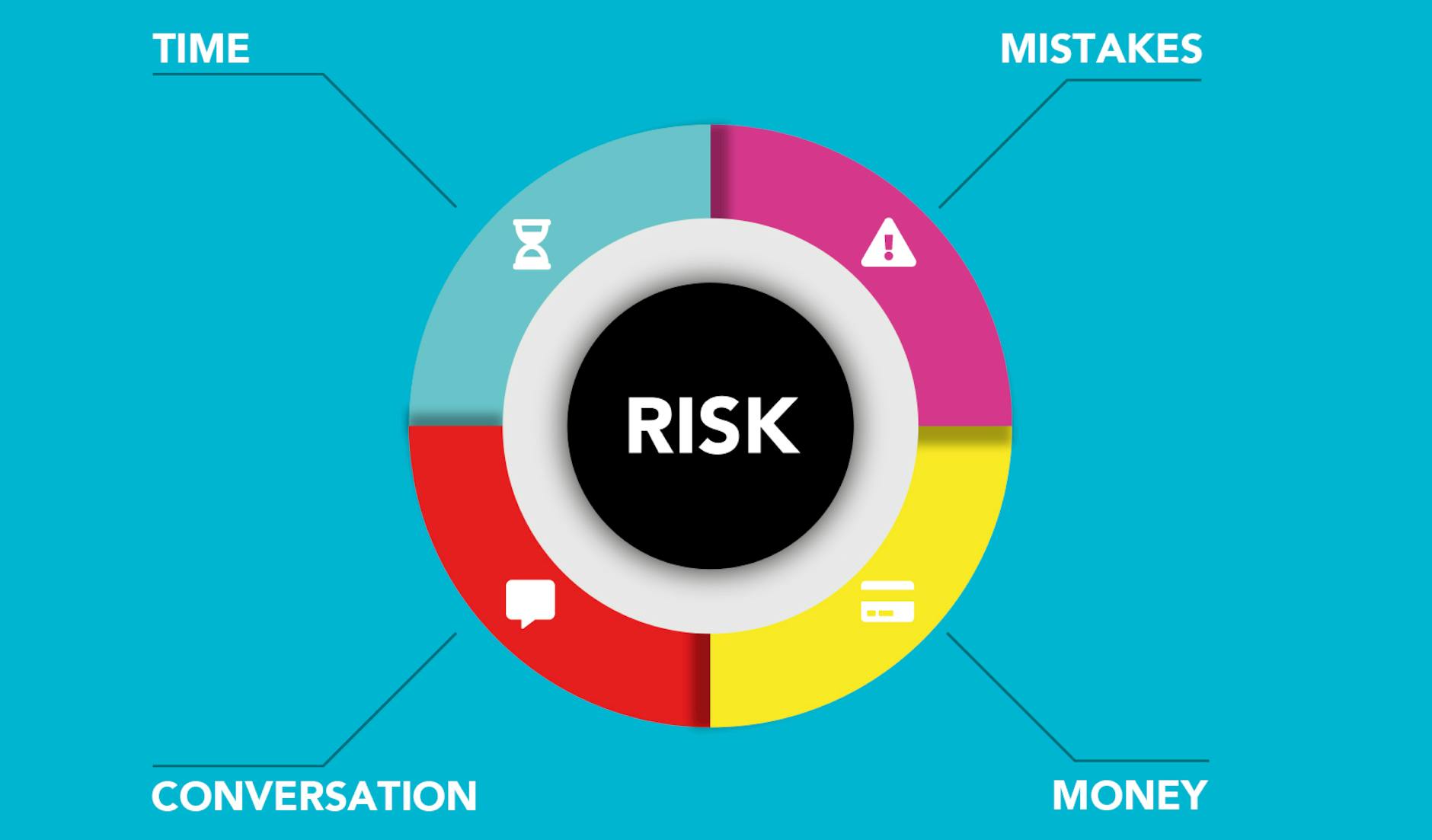
Furthermore, the flexibility of the platform's architecture allows for the implementation of custom plugins and extensions, which can enhance trading tools or introduce new features tailored to specific market segments. This adaptability is crucial for firms seeking competitive advantages in rapidly evolving financial landscapes.
Choosing the Right White Label Provider
Selecting the right white label partner is one of the most consequential decisions in your prop firm journey. Key factors to evaluate include platform stability, scalability, feature set, and the level of customization offered. The provider's reputation, technical support quality, and compliance standards also play a critical role.
Evaluating the flexibility of the platform and the responsiveness of the support team can significantly impact operational efficiency and customer satisfaction. Additionally, understanding the provider's track record with security protocols and ongoing maintenance ensures the platform remains resilient against potential threats.
- Platform Stability and Performance: The system should support high-volume trading without latency issues, ensuring reliable execution even during peak market activity. Request performance benchmarks and SLA documentation before signing.
- Scalability: The provider must offer solutions that can grow with your business, accommodating increasing client bases and additional asset classes without performance degradation.
- Customization Flexibility: The level of branding, functional, and technical flexibility directly impacts how well the platform aligns with your operational goals and market positioning.
- Technical Support Quality: Responsive support teams are essential for troubleshooting issues promptly. Verify average response times, escalation procedures, and available support channels.
- Compliance and Security: The provider's adherence to industry standards helps protect sensitive data and maintain operational integrity across all jurisdictions you serve.
- Pricing Transparency: Understand all fees including setup costs, monthly licensing, transaction fees, and charges for customization or additional features.
"A platform that cannot scale with your growth or adapt to regulatory changes is not just a technical liability — it is a business risk that can undermine years of client relationship building."
Legal & Regulatory Aspects
Choosing a white label trading platform involves navigating a complex landscape of legal and regulatory considerations that ensure your operations remain compliant within the financial ecosystem. It is essential to collaborate with providers who have a thorough understanding of regional and international regulations, including licensing, anti-money laundering (AML), know your customer (KYC) protocols, and customer protection standards.

Maintaining adherence to these standards not only fosters trust among clients but also helps prevent potential disruptions or penalties due to non-compliance. A reputable white label provider should support your platform with comprehensive compliance tools including automated KYC verification, transaction monitoring systems, and detailed audit trails to record all trading activity.
Additionally, transparency in data management and reporting capabilities is crucial. The platform should facilitate detailed reporting mechanisms that enable you to produce documentation required by regulatory authorities, perform risk assessments, and demonstrate adherence to legal standards.
Regulatory requirements vary significantly by jurisdiction. Operating without proper licensing in a target market can result in fines, forced platform shutdowns, and reputational damage. Always engage a legal expert familiar with financial services regulation in your target jurisdictions before launch.
It is also vital to stay aware of regional variations in regulatory requirements. A white label provider with experience across multiple jurisdictions can offer valuable insights and adapt the platform accordingly, supporting your expansion into various markets. This adaptability helps in aligning your business models with specific compliance obligations without extensive overhaul, ensuring smoother entry into new territories. Aligned compliance practices enhance your platform's reputation, minimize legal risks, and foster long-term growth.
Implementation & Support Process
Once a suitable white label trading platform is selected, the focus shifts to seamless implementation and ongoing support. The deployment process involves several stages, including technical integration, customization, testing, and training. A proficient provider offers comprehensive onboarding assistance to ensure that your infrastructure aligns with the platform's architecture, reducing setup time and minimizing operational disruptions.

Technical Integration
Technical integration often requires synchronization with existing backend systems, market data feeds, and liquidity providers. It is essential that the platform supports flexible APIs and integration tools designed to facilitate connectivity with various external services. The provider should assist in configuring trading engines, risk management modules, and reporting systems to match your operational requirements.
Customization and Brand Alignment
Customization plays a pivotal role in establishing a brand identity. The platform should allow modifications to the user interface, trading conditions, and analytical tools, enabling you to tailor the experience to your target audience. Advanced customization options may include branding elements such as logos, color schemes, and personalized dashboards that improve client engagement and satisfaction.
Testing and Quality Assurance
Thorough testing ensures the reliability and stability of the platform before full deployment. This includes performance testing under different market conditions, security assessments, and user acceptance testing. The provider's support team typically offers guidance during this phase, troubleshooting issues as they arise and ensuring the platform operates flawlessly.
Ongoing Support and Maintenance
Post-launch, ongoing support and maintenance are critical for continuous platform performance and security. Regular updates, bug fixes, and feature enhancements should be part of the support package. A dedicated customer service team must be available to address technical issues, facilitate platform upgrades, and assist with compliance updates that may affect your operation.
By establishing a clear and efficient support framework, you ensure your trading operations remain resilient, evolving with market demands and technological advancements. This proactive approach enhances operational stability, reduces downtime, and strengthens client trust.
Final Considerations for Your White Label Platform
Evaluating the Support Infrastructure
One of the pivotal aspects to consider when selecting a white label trading platform provider is the robustness of their support infrastructure. A reliable support system ensures quick resolution of technical issues, minimal downtime, and seamless updates. Providers should offer a comprehensive support package that includes 24/7 technical assistance, detailed troubleshooting protocols, and direct access to dedicated account managers. The availability of responsive support staff can significantly mitigate risks associated with system failures or security breaches, enabling swift intervention and resolution.
Continuous Platform Updates and Enhancements
Periodical updates are essential to keep the trading platform aligned with the latest technological advancements, security standards, and user expectations. A reputable white label provider should have an internal team dedicated to ongoing development, releasing updates that enhance functionality, improve user experience, and address newly identified vulnerabilities. Regular upgrades also ensure compatibility with evolving trading instruments, market data feeds, and regulatory frameworks.
Training and Onboarding
A comprehensive onboarding process is fundamental for successful platform integration and utilization. Training sessions tailored for your team ensure familiarity with platform features, moderation tools, trader management, and customer support channels. Well-structured training can reduce the learning curve, empower your staff, and improve client onboarding efficiency. Providers often include detailed manuals, guided tutorials, and dedicated onboarding support to facilitate this process.
Monitoring and Analytics
Effective monitoring and analytics tools are crucial for tracking overall platform performance, user activity, and trading patterns. These insights enable data-driven decision-making, nurture client retention, and identify potential issues before they escalate. A quality white label trading platform should offer integrated dashboards that visualize key performance indicators, risk management metrics, and compliance reports. Moreover, customizable alerts and real-time notifications help preempt problems and maintain compliance with industry standards.
Scaling and Future-Proofing
As your trading business grows, your platform must scale correspondingly without compromising speed, security, or usability. When evaluating providers, examine their infrastructure's ability to support increased trading volume, additional asset classes, and new user accounts. Cloud-based solutions are particularly advantageous for scalability, allowing flexible resource allocation and rapid deployment of new features. Future-proofing your platform involves collaborating with a provider that continually innovates, anticipates market trends, and adapts its offerings to meet evolving demands.
"Future-proofing your platform means partnering with a provider that continually innovates, anticipates market trends, and adapts its offerings — ensuring your operation remains competitive and capable of capitalizing on emerging opportunities."
- vWhite label trading platforms dramatically reduce time-to-market from years to just weeks, enabling rapid entry into competitive trading markets.
- vCore features including risk management, multi-asset support, CRM integration, and payment gateways come pre-built and battle-tested across hundreds of deployments.
- vDeep customization options allow full brand alignment from UI design to trading instruments and risk rules, while maintaining proven underlying technology.
- vRegulatory compliance tools (KYC, AML, audit trails) are increasingly built into modern white label solutions, reducing legal risk and simplifying regulatory adherence.
- vProvider evaluation should prioritize platform stability, scalability, support quality, and transparent pricing alongside feature completeness.
- vPost-launch support including regular updates, security patches, and dedicated account management is as critical as the initial deployment for long-term success.
- vCloud-based infrastructure ensures your platform can scale with business growth without proportional increases in operational overhead or infrastructure investment.
